
Document. “What’s the right to the city?”
The document attempts to provide a clear and easy understanding of the right to the city in view of enriching the drafting process of the New Agenda.
The document attempts to provide a clear and easy understanding of the right to the city in view of enriching the drafting process of the New Agenda.
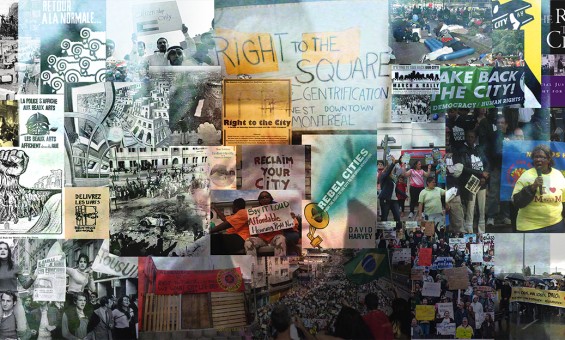
In the last decade, the right to the city has evolved as a powerful rallying cry in the struggle against the exclusionary processes of globalization and the commodification of urban space, and in conflicts over who has claim to the city and what kind of city it should be. Drawing on the work of Henri Lefebvre the vision of the right to the city has inspired a global social movement, legislative reform in Latin America, and international debates (eg: at WUF5 in Rio). Nevertheless, its content remains elusive and implementation is fraught with challenges. This paper critically examines the right to the city debate, and argues for a redefinition of the role of the local state and social actors in implementing the rights-based agenda that the right to city entails.
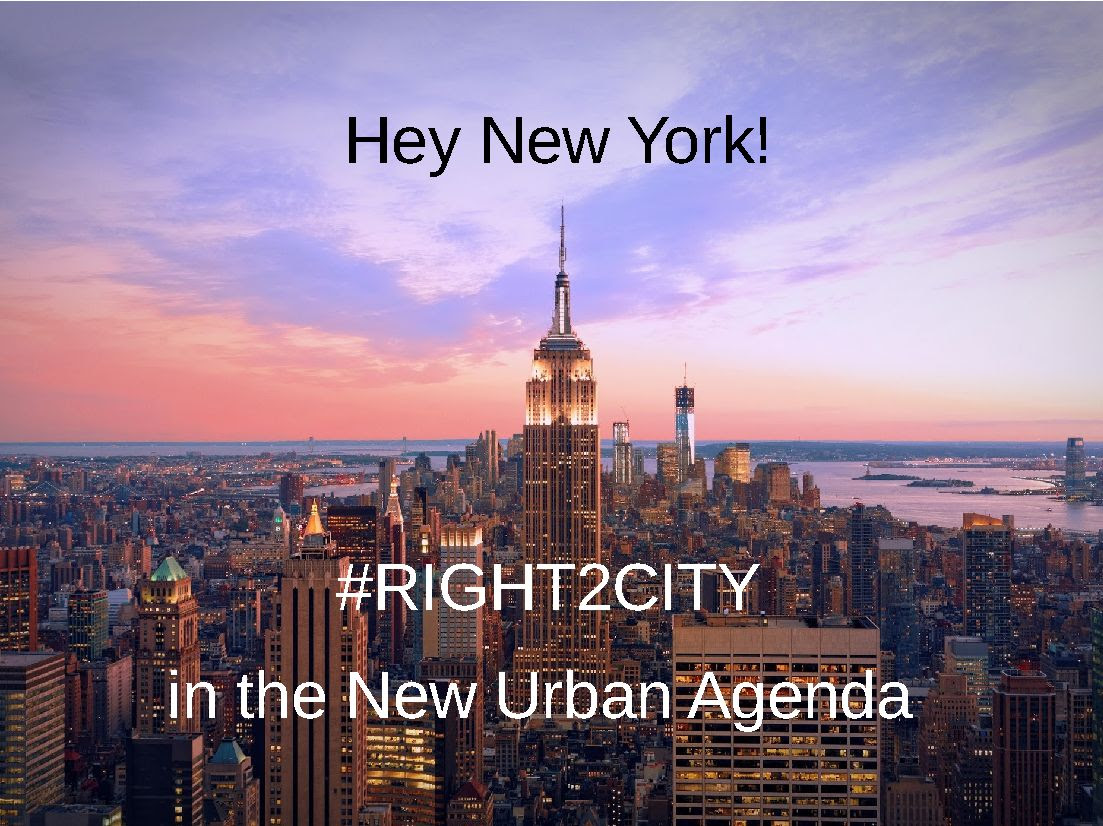
En vistas de las audiencias informales de Hábitat III celebradas en Nueva York entre los pasados 6-7 de junio, la Coalición Internacional por el Hábitat (Habitat International Coalition, HIC), la Alianza Internacional de Habitantes (International Alliance of Inhabitants, IAI) y la Red Hábitat (Habitat Netz) publicaron una carta abierta a las partes de la Conferencia de Hábitat III, recordando la necesidad de un cambio sustancial de paradigma en el modo como construimos la ciudad. Para ello, los autores de la carta invitan a resituar la cuestión de la vivienda y de los Derechos Humanos en el corazón de la Nueva Agenda del Hábitat, a través del impulso de medidas capaces de limitar la financiarización de las ciudades.

In views of the Habitat III informal hearings hold in New York last 6-7 June, Habitat International Coalition (HIC), the International Alliance of Inhabitants (IAI) and the Habitat Network (Habitat Netz) addressed an open letter to the different Habitat III parties, recalling the need for a substantial paradigm shift in the way we build our cities. To this end, the letter’s authors call for putting the right to housing and all Human Rights at the heart of the New Habitat Agenda, through promoting policies able to limit cities’ financialization.

El Observatorio tiene como objetivo generar insumos comunicativos para la reflexión crítica del megaevento de Habitat III
El gobierno ecuatoriano llega como anfitrión de Hábitat III sin haber generado el más mínimo debate entre la sociedad ecuatoriana, sin posicionar una propuesta urbana, sin ni siquiera culminar la ya escasa teatralización de la participación planteada por el MIDUVI, entendida como la contratación de una exigua consultoría para salvar la imagen.
Include social regulation of real estate markets into the Habitat III agenda!
Reglas del proceso y FAQ
The German Habitat Forum took place in Berlin on 1-2 June 2016 and brought together more than 1000 attendees from 74 countries. The results of the deliberations by this wide range of stakeholders are the «Berlin Recommendations for the Cities of Tomorrow”. These recommendations are suggested as inputs for the ongoing negotiations on the New Urban Agenda, to be adopted at the United Nations Conference on Housing and Sustainable Urban Development (Habitat III) in Quito, Ecuador in October 2016.