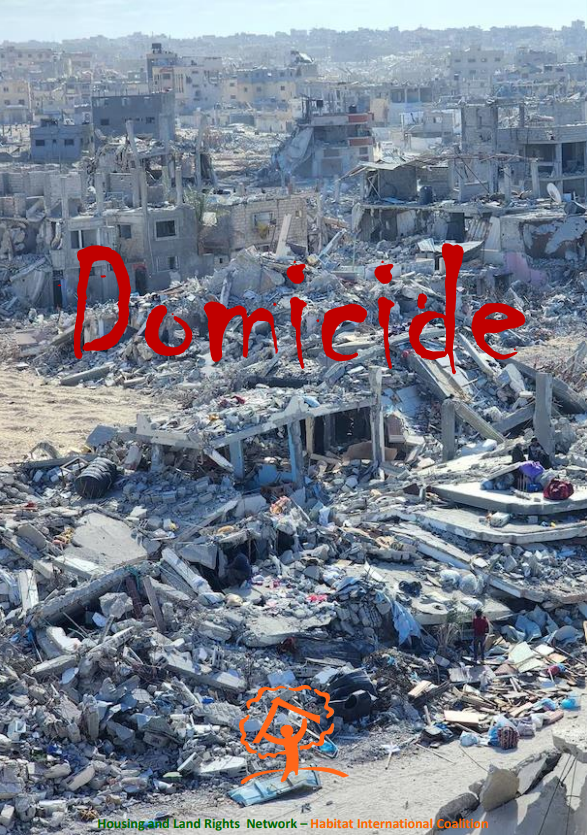
Forced evictions: The human impact, community resistance and the power of storytelling
As part of the collective #StopForcedEvictions campaign, HIC and partner organisations are sharing stories that reveal the human impact of forced evictions and displacement, amplify the voices of affected communities, and highlight collective struggles for justice and remedy.
What happened?
Ver esta publicación en Instagram
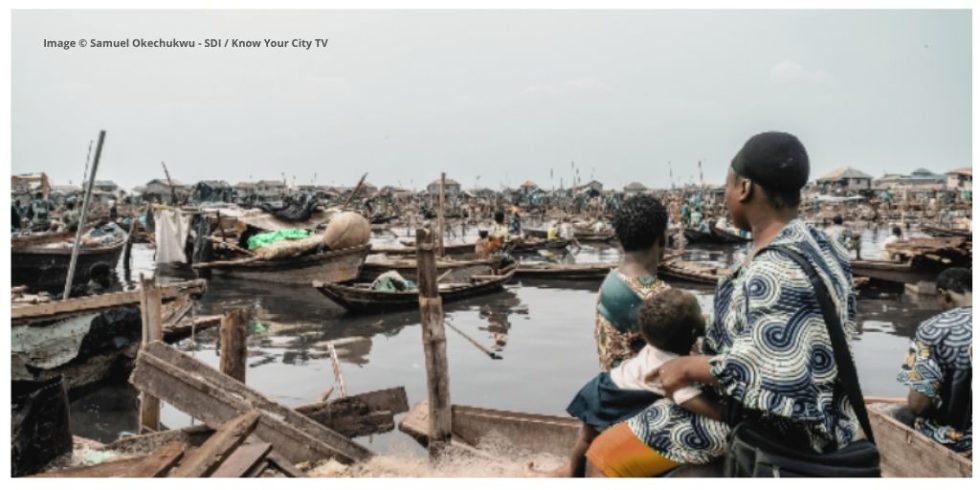
Makoko is a longstanding waterfront community in Lagos, Nigeria, where generations of residents have built their homes, livelihoods and social networks around fishing, transportation, trade and other water-based activities. For many families, Makoko is not simply a place to live, but an ancestral home where their histories, identities and futures are deeply rooted.
But on 23 December 2025, the Lagos State Government began demolishing homes in Makoko, initially targeting structures within 30 metres of high-voltage power lines. Although the authorities cited safety concerns, the demolitions subsequently extended beyond the originally announced area. By January 2026, residents reported that demolitions had reached more than 500 metres from the power lines.
As the demolitions spread, so did residents’ concerns about the loss of their homes, livelihoods and community ties. Therefore, their struggle is not simply about relocation or compensation: it is about defending their right to remain in their ancestral homes and to participate in decisions that shape the future of their community.
The drivers and human impact
Ver esta publicación en Instagram
The Lagos State Government justified the demolitions on public safety grounds, citing the risks of living near high-voltage power lines. Protecting people from danger is important, but safety measures must not become a justification for displacement without adequate safeguards, meaningful participation and consideration of alternatives. Residents have challenged both the extent of the demolitions and the lack of meaningful participation in decisions affecting their homes.
For Makoko’s residents, displacement means losing far more than a physical structure. Homes are connected to livelihoods, social relationships and the everyday systems of mutual support that enable families to survive. When homes are destroyed, fishing and other waterfront-based activities can be disrupted, children’s education can be interrupted, mental health can suffer, and community networks can be weakened or broken.
These consequences are particularly severe for households already experiencing economic vulnerability, as well as women and children, who may face additional risks when homes and support systems disappear.
Therefore, the human cost of forced evictions cannot be measured by the number of demolished structures alone. It must also be understood through the lives disrupted, the livelihoods threatened and the community ties placed at risk.
Legal protection and the right to remedy
The demolitions in Makoko raise serious concerns about compliance with international human rights standards, regardless of the authorities’ stated justification.
An eviction may be authorised under national law and still constitute a forced eviction if it fails to meet international human rights standards.
These standards require authorities to explore all feasible alternatives to eviction, ensure meaningful participation by affected communities, provide appropriate procedural and legal safeguards, and guarantee access to effective remedies. Where eviction cannot lawfully be avoided, protections must be in place to prevent people from being left homeless or exposed to further human rights violations.
In Makoko, residents’ demands go beyond relocation arrangements or financial compensation. Many families want to remain in their ancestral homes and have a meaningful say in decisions about their community.
But when residents’ voices are excluded from decisions that transform their lives, the consequences extend beyond the loss of housing: their rights, dignity and ability to shape their own future are also at stake. Ensuring justice therefore requires more than responding to displacement after it occurs. It requires preventing forced evictions in the first place, protecting residents’ rights and ensuring effective remedy when violations take place.
Community action and collective resistance
Ver esta publicación en Instagram
Despite the demolitions, Makoko residents have continued to organise and defend their housing rights. Rather than remaining silent in the face of displacement, young people mobilised through a flotilla protest on the waterfront, demanding an immediate halt to the evictions and justice for affected families.
Their resistance has been supported by organisations working alongside the community. The Nigerian Slum/Informal Settlement Federation has supported community mobilisation, coordination and mapping, while Justice & Empowerment Initiatives (JEI) has provided legal support to affected residents.
At the same time, Media4Change, a grassroots media collective, has used photography and community-led storytelling to document the evictions, amplify residents’ voices and challenge narratives that stigmatise informal settlements or present displacement as an inevitable part of urban development.
These efforts are interconnected: residents organise and defend their rights, community networks strengthen collective action, legal support helps challenge violations, and storytelling makes visible the experiences that might otherwise be overlooked.
And by documenting what is happening and sharing residents’ own accounts, community-led storytelling becomes more than a record of destruction: it becomes a tool for resistance, visibility and accountability.
Makoko’s residents and their allies continue to defend their right to remain in their community and demand that their voices be heard, their rights respected and justice secured.
Why this story matters
Makoko’s story reminds us that forced evictions are never simply about the destruction of buildings. They can mean the loss of homes, livelihoods, social networks, cultural identity and places where generations have built their lives.
But displacement is not inevitable, and urban development must not come at the expense of people’s rights. Authorities can and must explore alternatives, engage meaningfully with affected communities, provide adequate legal protection and ensure access to effective remedy.
The resistance in Makoko also shows why communities’ own voices matter. By organising, documenting their experiences and sharing their stories, residents challenge the idea that displacement is unavoidable and insist that another approach to urban development is possible.
Therefore, preventing forced evictions requires both structural change and collective action: protecting housing rights, holding authorities accountable, strengthening community participation and ensuring that affected people can shape the decisions that determine their future.
No one should lose their home. Prevent forced evictions. Ensure remedy for all.
As part of our collective #StopForcedEvictions campaign, we invite HIC Members, partners and communities to share their experiences, struggles and collective solutions. By bringing these stories together, we can make the human impact of forced evictions visible, strengthen solidarity and build collective demands for prevention, remedy and justice.
Case shared by Media4Change, a grassroots media collective.
- >> Related video: Response to forced evictions in Nigeria, including Makoko
- >> Further resources
- Media4Change – Community protests, testimonies and continued demolitions in Makoko
- Media4Change – Makoko youth flotilla protest
- Media4Change – Makoko demolitions, displacement and broken promises
- Media4Change – Makoko residents’ peaceful protest against forced evictions
- Justice & Empowerment Initiatives (JEI)
>> Share your story: Contribute to the #StopForcedEvictions campaign
#StopForcedEvictions #UrbanOctober #PreventionRemedyJustice
Other testimonies

El Jardín, Medellín, Colombia
Forced evictions: The human impact, the struggle for rights and collective resistance
Explore the campaign
Visit the campaign website to discover more testimonies, learn about collective struggles and explore actions to prevent forced evictions and ensure remedy and justice.