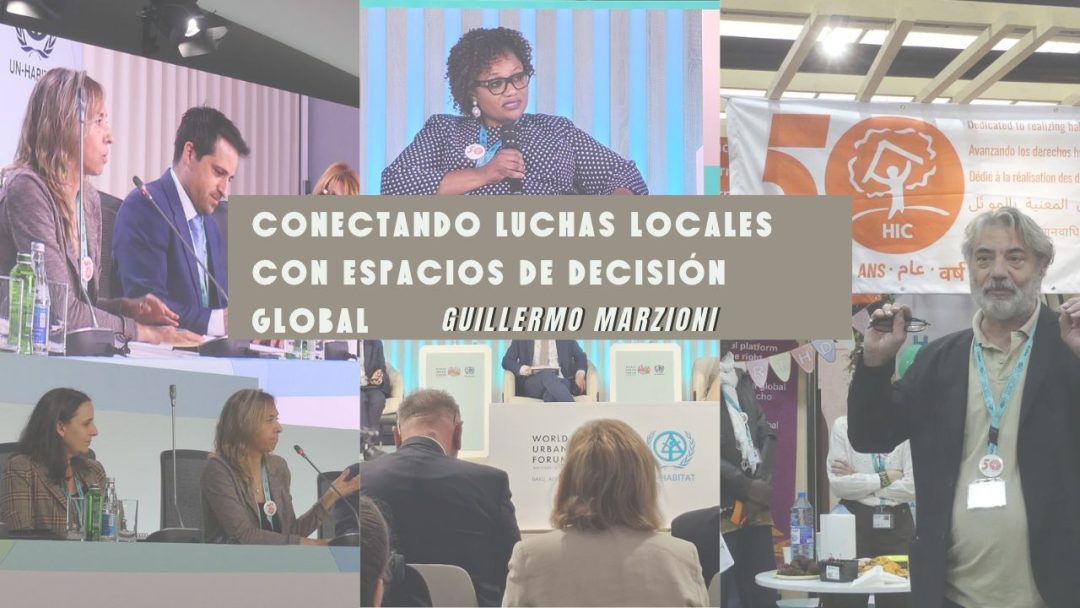
Our member organization Observatori DESCA organized this conference to talk about something that’s on a lot of who defend human rights related to habitat and social justice: what’s happening to the United Nations at a moment when we face crisis the multilateral system is going through.
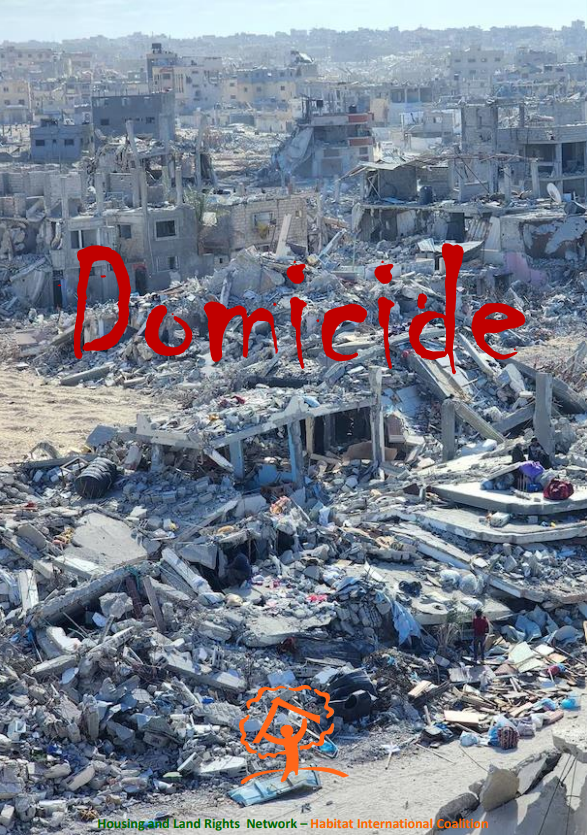
The conversation brought together people from very different worlds: institutions, academia, journalism, civil society, all trying to make sense of the crisis the multilateral system is going through, and how international law keeps getting weaker. It’s happening against a backdrop we all recognize: more armed conflicts, a climate crisis that keeps getting worse, growing inequality. Gaza came up again and again throughout the debate, as a stark example of just how contradictory the international system can be.
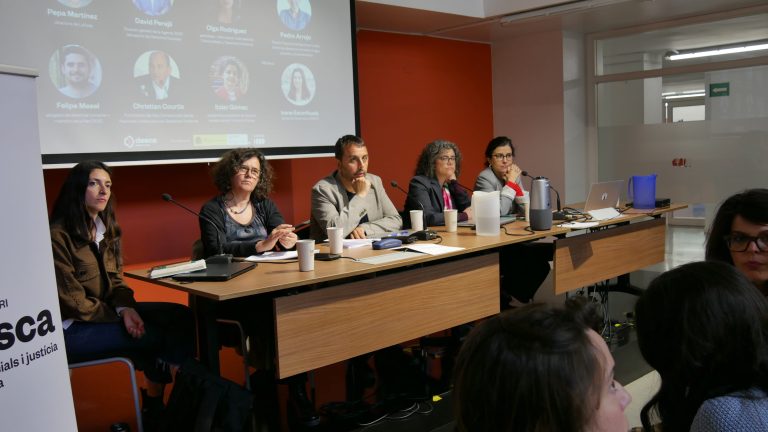
Some highlights
The double standard is impossible to ignore: international law tends to get enforced when it’s convenient for the powerful, and looked the other way from when it isn’t, especially when it comes to the Global South.
Yes, the UN was built on colonial foundations. But several speakers were clear that dismantling it isn’t the answer: the rights we’ve won are still fragile, and losing this framework entirely would be dangerous. The real task is reinventing it.
Civil society keeps getting called “essential” while being chronically underfunded and, often, used for other people’s agendas. Someone at the conference put it well: if we all agree civil society’s role is fundamental, why doesn’t it get the resources to actually sustain itself?
The system is also being squeezed by funding cuts and a growing lack of political will — plus direct attacks on things that used to be baseline agreements, like gender equality or the 2030 Agenda.
The overall sense from the room: this isn’t a temporary glitch, it’s a structural crisis. But most people there weren’t calling for the UN to be torn down — they were calling for it to be rebuilt, through mobilization, new alliances, and a bit of political imagination.
Christian Courtis identifies three major threats to multilateralism: the lack of genuine commitment from states, the withdrawal of funding, and attacks on basic consensus positions such as gender equality and the 2030 Agenda. According to Courtis, this combination profoundly weakens the system and undermines its sustainability. He is particularly pessimistic about the possibility of reversing this situation in the short term, especially regarding funding.
Pedro Arrojo denounces a direct offensive against the multilateral system. He points out that some states are using funding as a leverage mechanism and that there is an explicit intent to weaken or collapse the United Nations. He also criticises the criminalisation of international justice, particularly in relation to Gaza, and the lack of transformative political projects. Even so, he identifies in global mobilisation a possible path of hope and an opportunity for change in the current context.
This interesting conversation is available on the full recording and report from the conference