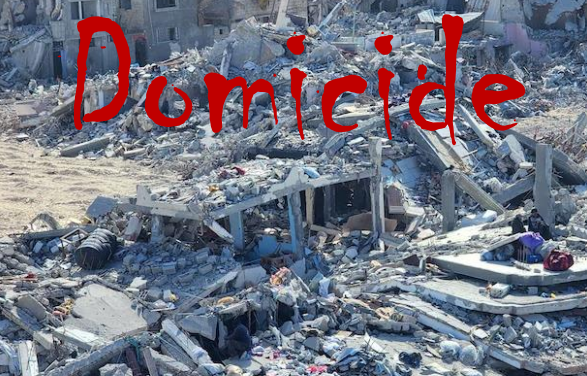
The annual report 2026 from the HIC-HLRN Violation Database is out: Domicide
The annual World Habitat Day / Urban October report 2026 from the HLRN Violation Database documents the practice of “domicide” — the deliberate, systematic destruction of homes and habitat. Drawing [...]

Des communautés aux instances internationales : l’action de HIC en faveur du droit au logement
Comment les communautés organisées peuvent-elles faire entendre leur voix dans les instances décisionnelles internationales ? Dans cette vidéo, Guillermo Marzioni, vice-président de la HIC, explique comment la Coalition internationale pour [...]

Les Nations Unies en crise : rétablir le consensus sur les droits de l’homme et le droit international
Notre organisation Adhérent, l’Observatori DESCA, a organisé cette conférence afin d’aborder un sujet qui préoccupe de nombreux défenseurs des droits de l’homme liés au logement et à la justice sociale [...]

Expulsions forcées : les conséquences humaines, la lutte pour les droits et la résistance collective – L’histoire d’El Jardín | Medellín, Colombie
Expulsions forcées : l’impact humain, la lutte pour les droits et la résistance collective Dans le cadre de la campagne collective #StopForcedEvictions, HIC et ses organisations partenaires partagent des témoignages [...]
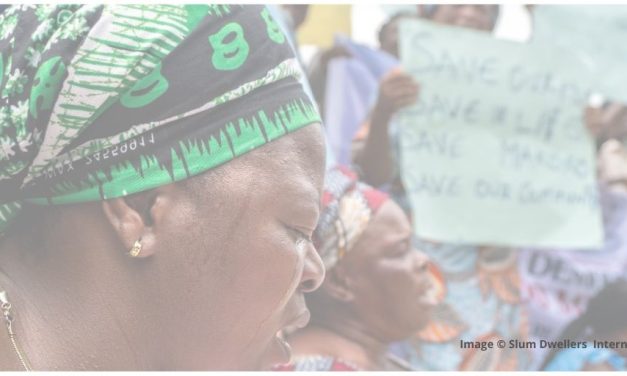
Makoko, Lagos, Nigeria | Expulsions forcées et lutte pour le droit de rester sur place
Expulsions forcées : l’impact humain, la résistance communautaire et le pouvoir du récit Dans le cadre de la campagne collective #StopForcedEvictions, HIC et ses organisations partenaires partagent des témoignages qui [...]
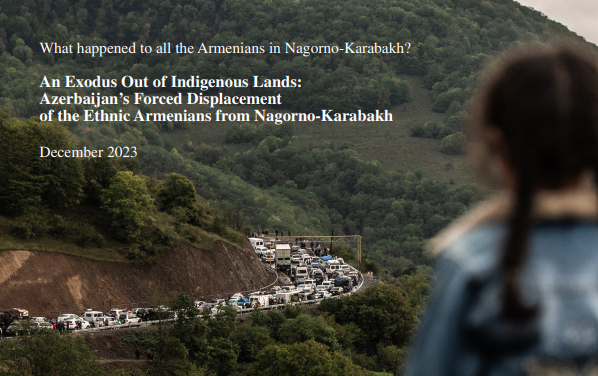
La population arménienne du Haut-Karabakh | Déplacements forcés et lutte pour la justice
Déplacement forcé : les conséquences humaines, la lutte pour les droits et l’exigence de réparation Dans le cadre de la campagne collective #StopForcedEvictions, HIC et ses organisations partenaires partagent des [...]

À noter dans vos agendas : Espace régional d’apprentissage collaboratif sur le logement, la terre et les moyens de subsistance des femmes en Afrique subsaharienne
En collaboration avec Rooftops Canada et les partenaires du Women Spaces Project, nous vous invitons chaleureusement à participer à un « Espace régional d’apprentissage collaboratif » en ligne, en quatre [...]
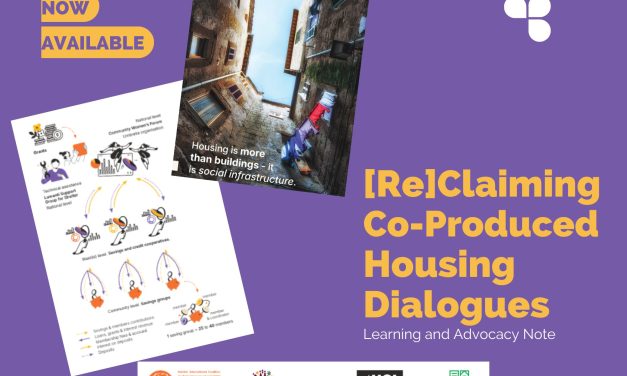
Maintenant disponible : Note d’apprentissage et de plaidoyer : « Reprendre possession du logement coproduit en Europe »
Nous sommes ravis de vous annoncer que la Note d’apprentissage et de plaidoyer résumant les [Re]claiming Co-Produced Housing Dialogues est désormais disponible en ligne en anglais, français et espagnol. Téléchargez [...]
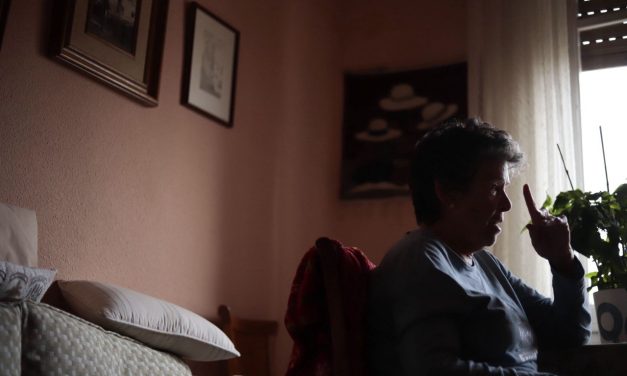
Le cas de Maricarmen : une expulsion forcée et l’incapacité des institutions espagnoles à prévenir et à remédier à une violation des droits de l’homme
Image © Observatori DESCA L’histoire de Maricarmen | Espagne : les expulsions forcées constituent des violations flagrantes des droits de l’homme qui peuvent être évitées. Les conséquences humaines, la lutte [...]
Déclaration de la Présidence à l’occasion de la Journée mondiale de l’habitat – Sécuriser le logement, garantir les droits : appel à l’action contre les expulsions forcées
À l’occasion de la commémoration de la Journée mondiale de l’habitat 2026, Habitat International Coalition (HIC) réaffirme son engagement en faveur de la défense des droits fondamentaux de l’Homme, y [...]
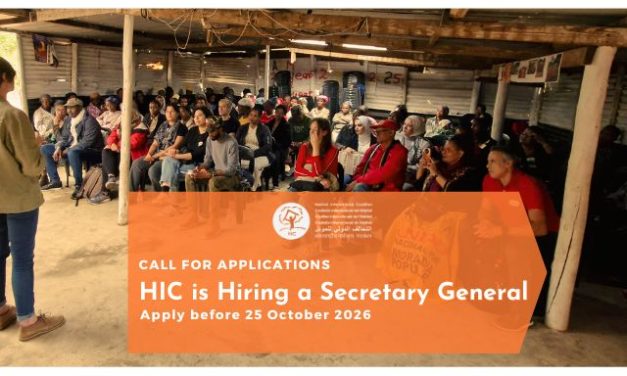
Nous recrutons : HIC recherche un-e Secrétaire Général-e
Habitat International Coalition (HIC) recherche un-e nouveau/nouvelle Secrétaire Général-e pour diriger son Secrétariat Général et coordonner son action interrégionale en défense du droit humain à l'habitat et à un logement [...]
À vos agendas, 8 octobre : Lancement en ligne de la Déclaration sur les priorités communes de la Convergence des mouvements sociaux de HIC
Rejoignez-nous le 8 octobre 2026, de 16 h à 17 h 30 (heure d'Afrique du Sud, SAST), pour le lancement en ligne de la Déclaration sur les priorités communes de [...]

- 1
- ...
- 2
- 3
- 4
- 5
- 6
- 7
- 8
- 9
- 10
- 11
- 12
- 13
- 14
- 15
- 16
- 17
- 18
- 19
- 20
- 21
- 22
- 23
- 24
- 25
- 26
- 27
- 28
- 29
- 30
- 31
- 32
- 33
- 34
- 35
- 36
- 37
- 38
- 39
- 40
- 41
- 42
- 43
- 44
- 45
- 46
- 47
- 48
- 49
- 50
- 51
- 52
- 53
- 54
- 55
- 56
- 57
- 58
- 59
- 60
- 61
- 62
- 63
- 64
- 65
- 66
- 67
- 68
- 69
- 70
- 71
- 72
- 73
- 74
- 75
- 76
- 77
- 78
- 79
- 80
- 81
- 82
- 83
- 84
- 85
- 86
- 87
- 88
- 89
- 90
- 91
- 92
- 93
- 94
- 95
- 96
- 97
- 98
- 99
- 100
- 101
- 102
- 103
- 104
- 105
- 106
- 107
- 108
- 109
- 110
- 111
- 112
- 113
- 114
- 115
- 116
- 117
- 118
- 119
- 120
- 121
- 122
- 123
- 124
- 125
- 126
- 127
- 128
- 129
- 130
- 131
- 132
- 133
- 134
- 135
- 136
- 137
- 138
- 139
- 140
- 141
- 142
- 143
- 144
- 145
- 146
- 147
- 148
- 149
- 150
- 151
- 152
- 153
- 154
- 155
- 156
- 157
- 158
- 159
- 160
- 161
- 162
- 163
- 164
- 165
- 166
- 167
- 168
- 169
- 170
- 171
- 172
- 173
- 174
- 175
- 176
- 177
- 178
- 179
- 180
- 181
- 182
- 183
- 184
- 185
- 186
- 187
- 188
- 189
- 190
- 191
- 192
- 193
- 194
- 195
- 196
- 197
- 198
- 199
- 200
- 201
- 202
- 203
- 204
- 205
- 206
- 207
- 208
- 209
- 210
- 211
- 212
- 213
- 214
- 215
- 216
- 217
- 218
- 219
- 220
- 221
- 222
- 223
- 224
- 225
- 226
- 227
- 228
- 229
- 230
- 231
- 232
- 233
- 234
- 235
- 236
- 237
- 238
- 239
- 240
- 241
- 242
- 243
- 244
- 245
- 246
- 247
- 248
- 249
- 250
- 251
- 252
- 253
- 254
- 255
- 256
- 257
- 258
- 259
- 260
- 261
- 262
- 263
- 264
- 265
- 266
- 267
- 268
- 269
- 270
- 271
- 272
- 273
- 274
- 275
- 276
- 277
- 278
- 279
- 280
- 281
- 282
- 283
- 284
- 285
- 286
- 287
- 288
- 289
- 290
- 291
- 292
- 293
- 294
- 295
- 296
- 297
- 298
- 299
- 300
- 301
- 302
- 303
- 304
- 305
- 306
- 307
- 308
- 309
- 310
- 311
- 312
- 313
- 314
- 315
- 316
- 317
- 318
- 319
- 320
- ...
- 321
Proposal for a Charter for Women’s Right to the City
The women gathered at the World Women’s Forum
Request that the points raised in this Charter be considered in the “World Charter for the Right to the City” and the Local Agenda 21 of Culture (to be approved at the Forum of Local Authorities for Social Inclusion). Both initiatives will be presented at the World Urban Forum (Barcelona, September 2004)
Intégrer le droit au logement dans une nouvelle constitution européenne
Aux associations de défense des locataires, des sans-abris défendant le droit au logement pour tous et la lutte contre les exclusions urbaines
Appeal for Housing Rights in the European Charter of Fundamental Rights
We are convinced that the most important rights, including the right to housing, must be an integral part of this Charter as an important step towards the construction of a Europe of and for all the people.
Urban Policies and the Right to the City
This paper aims to explore the notion of the “Right to the City,” a concept first developed by Henri Lefebvre in 1968 in Le droit à la ville. While not exhaustive in its examination of the subject, the present discussion paper is intended to examine the notion as it has evolved conceptually and as it has manifested, either explicitly or implicitly, in urban policies and practices in cities and regions worldwide over the past few decades. It will also provide the reader with an inventory of recent developments in research and policy practice and, finally, with the potential theoretical and practical limitations to the “Right to the City” concept.
Social Housing in Russia
According to the Housing Privatisation Law almost 50% of the national housing stock was privatised. The majority of Russians have very few chances to improve their housing conditions in near years. But the most painful position the homeless refuges and forced migrants have.
CSD 13: The Slums must help themselves
Expectations that CSD 13 would correct the almost total failure of the Johannesburg-Summit regarding settlements and local development were bitterly disappointed. CSD 13 again failed to deal with the problems of the cities in the north or the east (environment, traffic, financial, social) as well as with the urban consequences of economic globalisation, privatisation, sub-urbanization, population changes.
1 million face eviction in Zimbabwe
Distressing report about massive evictions planned in Harare
Privatization of Clifton Beach
Where would the common man be in the glittering world of five-star hotels, private lagoons, shopping plazas, high-rise buildings and other urban monstrosities? What happens to the traditional donkey cart races, the congregation of youths on New Year’s Eve and lakhs of common visitors who go to the Clifton beach for innocent enjoyment of sea breeze, the sandy beach and a view of the immemorial Arabian Sea. Extract from V. A. JAFAREY’s letter to the daily Dawn Karachi See below details of this letter and other news items on Clifton Beach’s privatization.
Stop evicting Borg El Arab farmers
Egypt- Threatening farmers with eviction and imprisonment claiming to build an amusement park on these lands.
Mouvement des Travailleurs Ruraux Sans Terre
Le Mouvement des Sans Terre (MST) est un large mouvement à caractère syndical, populaire et politique. Il lutte pour la terre, la réforme agraire et le changement social au Brésil. Depuis sa création en 1984, il a connu un tel essor qu’aujourd’hui il est devenu un acteur incontournable tant au Brésil que sur le plan international.
Brazil Landless Workers Movement
Brazil’s Landless Workers Movement, Movimento dos Trabalhadores Rurais Sem Terra (MST) in Portuguese, is the largest social movement in Latin America with an estimated 1.5 landless members organized in 23 out 27 states. The MST carries out long-overdue land reform in a country mired by unjust land distribution. In Brazil, less than 3% of the population owns two-thirds of the land on which crops could be grown.
Briefing on homelessness and landlessness
Special Rapporteur on Right to Adequate Housing said that the driving forces behind homelessness were poverty; rapid economic globalization, which had worsened inequality in housing and land ownership; increasing trends towards privatization and land speculation; lack of affordable housing options; unplanned and involuntary urban migration; large-scale development and infrastructure projects, including dams that led to mass displacement; and ongoing conflicts around the world.