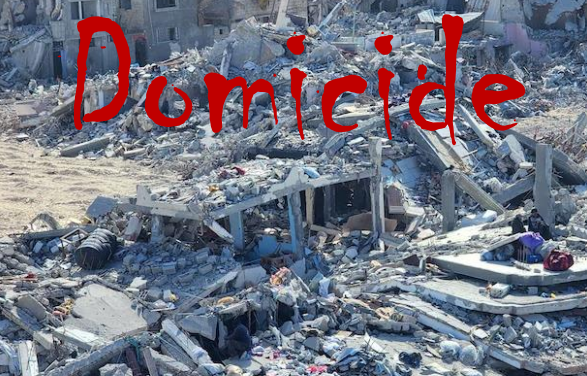
The annual report 2026 from the HIC-HLRN Violation Database is out: Domicide
The annual World Habitat Day / Urban October report 2026 from the HLRN Violation Database documents the practice of “domicide” — the deliberate, systematic destruction of homes and habitat. Drawing [...]

Des communautés aux instances internationales : l’action de HIC en faveur du droit au logement
Comment les communautés organisées peuvent-elles faire entendre leur voix dans les instances décisionnelles internationales ? Dans cette vidéo, Guillermo Marzioni, vice-président de la HIC, explique comment la Coalition internationale pour [...]

Les Nations Unies en crise : rétablir le consensus sur les droits de l’homme et le droit international
Notre organisation Adhérent, l’Observatori DESCA, a organisé cette conférence afin d’aborder un sujet qui préoccupe de nombreux défenseurs des droits de l’homme liés au logement et à la justice sociale [...]

Expulsions forcées : les conséquences humaines, la lutte pour les droits et la résistance collective – L’histoire d’El Jardín | Medellín, Colombie
Expulsions forcées : l’impact humain, la lutte pour les droits et la résistance collective Dans le cadre de la campagne collective #StopForcedEvictions, HIC et ses organisations partenaires partagent des témoignages [...]
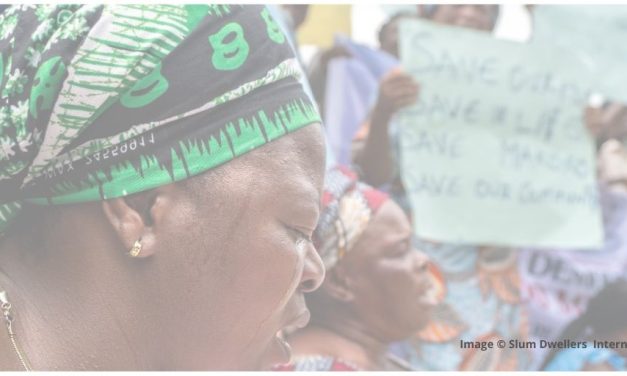
Makoko, Lagos, Nigeria | Expulsions forcées et lutte pour le droit de rester sur place
Expulsions forcées : l’impact humain, la résistance communautaire et le pouvoir du récit Dans le cadre de la campagne collective #StopForcedEvictions, HIC et ses organisations partenaires partagent des témoignages qui [...]
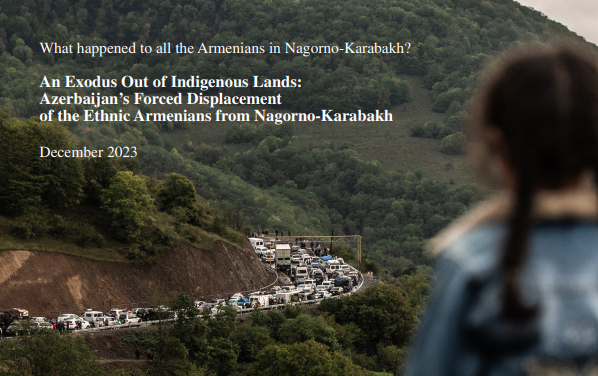
La population arménienne du Haut-Karabakh | Déplacements forcés et lutte pour la justice
Déplacement forcé : les conséquences humaines, la lutte pour les droits et l’exigence de réparation Dans le cadre de la campagne collective #StopForcedEvictions, HIC et ses organisations partenaires partagent des [...]

À noter dans vos agendas : Espace régional d’apprentissage collaboratif sur le logement, la terre et les moyens de subsistance des femmes en Afrique subsaharienne
En collaboration avec Rooftops Canada et les partenaires du Women Spaces Project, nous vous invitons chaleureusement à participer à un « Espace régional d’apprentissage collaboratif » en ligne, en quatre [...]
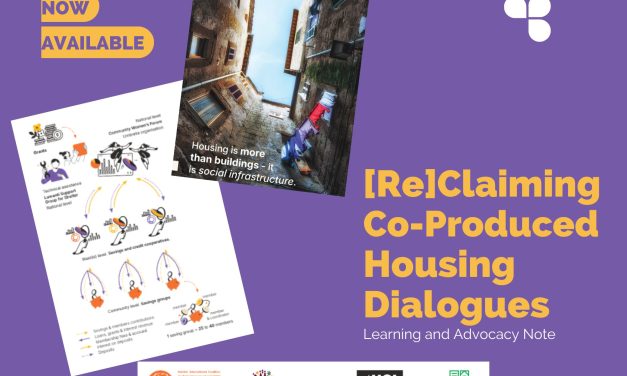
Maintenant disponible : Note d’apprentissage et de plaidoyer : « Reprendre possession du logement coproduit en Europe »
Nous sommes ravis de vous annoncer que la Note d’apprentissage et de plaidoyer résumant les [Re]claiming Co-Produced Housing Dialogues est désormais disponible en ligne en anglais, français et espagnol. Téléchargez [...]
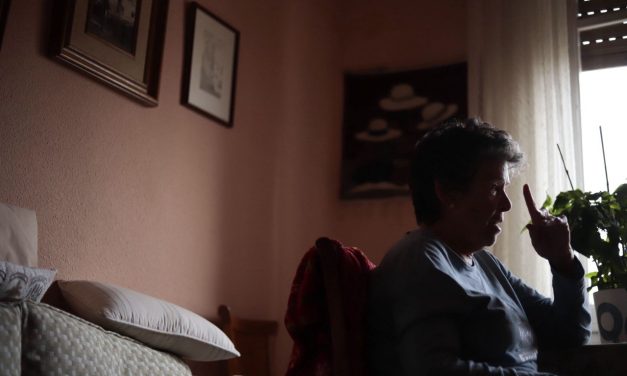
Le cas de Maricarmen : une expulsion forcée et l’incapacité des institutions espagnoles à prévenir et à remédier à une violation des droits de l’homme
Image © Observatori DESCA L’histoire de Maricarmen | Espagne : les expulsions forcées constituent des violations flagrantes des droits de l’homme qui peuvent être évitées. Les conséquences humaines, la lutte [...]
Déclaration de la Présidence à l’occasion de la Journée mondiale de l’habitat – Sécuriser le logement, garantir les droits : appel à l’action contre les expulsions forcées
À l’occasion de la commémoration de la Journée mondiale de l’habitat 2026, Habitat International Coalition (HIC) réaffirme son engagement en faveur de la défense des droits fondamentaux de l’Homme, y [...]
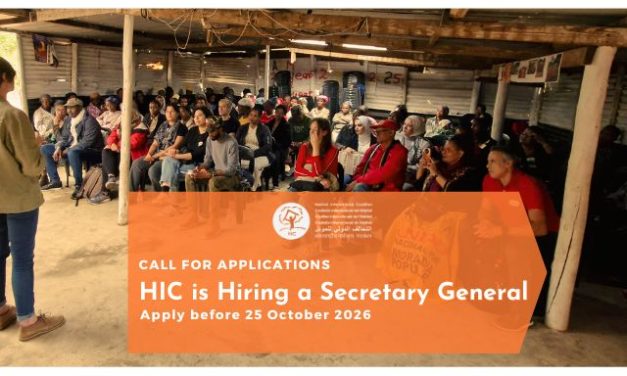
Nous recrutons : HIC recherche un-e Secrétaire Général-e
Habitat International Coalition (HIC) recherche un-e nouveau/nouvelle Secrétaire Général-e pour diriger son Secrétariat Général et coordonner son action interrégionale en défense du droit humain à l'habitat et à un logement [...]
À vos agendas, 8 octobre : Lancement en ligne de la Déclaration sur les priorités communes de la Convergence des mouvements sociaux de HIC
Rejoignez-nous le 8 octobre 2026, de 16 h à 17 h 30 (heure d'Afrique du Sud, SAST), pour le lancement en ligne de la Déclaration sur les priorités communes de [...]

- 1
- ...
- 2
- 3
- 4
- 5
- 6
- 7
- 8
- 9
- 10
- 11
- 12
- 13
- 14
- 15
- 16
- 17
- 18
- 19
- 20
- 21
- 22
- 23
- 24
- 25
- 26
- 27
- 28
- 29
- 30
- 31
- 32
- 33
- 34
- 35
- 36
- 37
- 38
- 39
- 40
- 41
- 42
- 43
- 44
- 45
- 46
- 47
- 48
- 49
- 50
- 51
- 52
- 53
- 54
- 55
- 56
- 57
- 58
- 59
- 60
- 61
- 62
- 63
- 64
- 65
- 66
- 67
- 68
- 69
- 70
- 71
- 72
- 73
- 74
- 75
- 76
- 77
- 78
- 79
- 80
- 81
- 82
- 83
- 84
- 85
- 86
- 87
- 88
- 89
- 90
- 91
- 92
- 93
- 94
- 95
- 96
- 97
- 98
- 99
- 100
- 101
- 102
- 103
- 104
- 105
- 106
- 107
- 108
- 109
- 110
- 111
- 112
- 113
- 114
- 115
- 116
- 117
- 118
- 119
- 120
- 121
- 122
- 123
- 124
- 125
- 126
- 127
- 128
- 129
- 130
- 131
- 132
- 133
- 134
- 135
- 136
- 137
- 138
- 139
- 140
- 141
- 142
- 143
- 144
- 145
- 146
- 147
- 148
- 149
- 150
- 151
- 152
- 153
- 154
- 155
- 156
- 157
- 158
- 159
- 160
- 161
- 162
- 163
- 164
- 165
- 166
- 167
- 168
- 169
- 170
- 171
- 172
- 173
- 174
- 175
- 176
- 177
- 178
- 179
- 180
- 181
- 182
- 183
- 184
- 185
- 186
- 187
- 188
- 189
- 190
- 191
- 192
- 193
- 194
- 195
- 196
- 197
- 198
- 199
- 200
- 201
- 202
- 203
- 204
- 205
- 206
- 207
- 208
- 209
- 210
- 211
- 212
- 213
- 214
- 215
- 216
- 217
- 218
- 219
- 220
- 221
- 222
- 223
- 224
- 225
- 226
- 227
- 228
- 229
- 230
- 231
- 232
- 233
- 234
- 235
- 236
- 237
- 238
- 239
- 240
- 241
- 242
- 243
- 244
- 245
- 246
- 247
- 248
- 249
- 250
- 251
- 252
- 253
- 254
- 255
- 256
- 257
- 258
- 259
- 260
- 261
- 262
- 263
- 264
- 265
- 266
- 267
- 268
- 269
- 270
- 271
- 272
- 273
- 274
- 275
- 276
- 277
- 278
- 279
- 280
- 281
- 282
- 283
- 284
- 285
- 286
- 287
- 288
- 289
- 290
- 291
- 292
- 293
- 294
- 295
- 296
- 297
- 298
- 299
- 300
- 301
- 302
- 303
- 304
- 305
- 306
- 307
- 308
- 309
- 310
- 311
- 312
- 313
- 314
- 315
- 316
- 317
- 318
- 319
- 320
- ...
- 321
Looking for Good Projects : 2005-2006
SELAVIP is a private foundation that supports housing projects for very poor families who lack a shelter. Our focus is on “extreme social emergency”, that is, people who dwell in very precarious and unsafe conditions, on lands easily flooded, on steep and dangerous slopes. Each year in August, SELVIUP analyzes projects that NGOs and CBOs send from all over the world. Those projects that comply with our central focus are presented to the SELAVIP Board Meeting in November, to select those that will be financed in 2005.
UN experts deplore Zimbabwe’s campaign of forced eviction
The following statement was issued on June 24, 2005 by a group of ten UN experts
UN Special Rapporteur on Adequate Housing to Visit Iran
Mr. Kothari on mission to Iran from 19-30 July 2005 will receive testimonies and inputs from civil society.
Zimbabwe evictions: joint statement
A joint NGO statement on the Zimbabwe evictions was launched today at press conferences in four African cities: Harare, Johannesburg, Lagos and Windhoek. The statement was signed by 212 African and International NGOs and it calls upon the United Nations and the African Union to take effective action to prevent and redress the mass forced evictions in Zimbabwe. The call has been widely picked up by mainstream media.
Zimbabwe: Unprecedented call for UN and AU action over evictions by 200 rights groups
As the human rights situation in Zimbabwe steadily deteriorates, with more than 300,000 now evicted from their homes by the government and a UN Special Envoy appointed to investigate the destruction and evictions, a coalition of more than 200 African and international NGOs today issued an unprecedented Joint Appeal to the United Nations (UN) and African Union (AU) to help the people of Zimbabwe.
Demolished: Forced Evictions And The Tenants’ Rights Movement In China
Demolition and eviction has several decades of history in China. In the past, ordinary people longed for demolition and eviction [because they were moved to better homes], but now ordinary people fear demolition and eviction, they hate [it], and even use death and suicide to oppose [it].. This hatred, this opposition to demolition andeviction has really only appeared in the last few years. – Tenants’ rights advocate Xu Yonghai,
The Global Fundisation Of Housing – First Sketch And Questions
In Germany and other European countries housing conditions are faced to rapid direct globalisation of the real estate markets. The intensity and quantity of this process is a new phenomenon at least in Germany. Habitat Net Germany is seeking contacts in order to discuss the developments, exchange information, build a common knowledge base and seek common strategies. Below find a first sketch on the situation from a German viewpoint and questions to begin a debate.
The global housing boom
The worldwide rise in house prices is the biggest bubble in history. Prepare for the economic pain when it pops. Calculations by The Economist show that house prices have hit record levels in relation to rents in America, Britain, Australia, New Zealand, France, Spain, the Netherlands, Ireland and Belgium. The housing market has played such a big role in propping up America’s economy that a sharp slowdown in house prices is likely to have severe consequences. [more]
Deux nouveaux représentants des mouvements sociaux au Conseil de H.I.C.
Na Hyo-Woo, LOCOA, Corée/Philippines et Hanan Masri, NISCVR, Liban
Two New Board Members
Na Hyo-Woo, LOCOA, Korea/Philippines and Hanan Masri, NISCVR, Libanon elected representatives of social movements to HIC Board
Pingrerie du G8 sur la dette
Le CADTM s’indigne de la pingrerie du G8 sur la dette La réunion des ministres des Finances du G8 s’est soldée le 11 juin par les déclarations tonitruantes des représentants des pays les plus riches, annonçant notamment une annulation « historique » de la dette des pays pauvres.
Le CADTM surveille de près ces effets d’annonce qui, par le passé, ont toujours débouché sur des annulations cosmétiques dissimulant un renforcement de la domination des pays créanciers, comme dans le cas de l’initiative PPTE (42 pays pauvres très endettés) annoncée en 1996 au G7 à Lyon et renforcée en 1999 au G7 à Cologne [1]. L’analyse rigoureuse des modalités pratiques concernant l’annonce de l’annulation d’hier permettra, dès qu’elles seront publiques, de porter un jugement complet.