

The annual report 2026 from the HIC-HLRN Violation Database is out: Domicide
The annual World Habitat Day / Urban October report 2026 from the HLRN Violation Database documents the practice of “domicide” — the deliberate, systematic destruction of homes and habitat. Drawing [...]

Des communautés aux instances internationales : l’action de HIC en faveur du droit au logement
Comment les communautés organisées peuvent-elles faire entendre leur voix dans les instances décisionnelles internationales ? Dans cette vidéo, Guillermo Marzioni, vice-président de la HIC, explique comment la Coalition internationale pour [...]

Les Nations Unies en crise : rétablir le consensus sur les droits de l’homme et le droit international
Notre organisation Adhérent, l’Observatori DESCA, a organisé cette conférence afin d’aborder un sujet qui préoccupe de nombreux défenseurs des droits de l’homme liés au logement et à la justice sociale [...]

Expulsions forcées : les conséquences humaines, la lutte pour les droits et la résistance collective – L’histoire d’El Jardín | Medellín, Colombie
Expulsions forcées : l’impact humain, la lutte pour les droits et la résistance collective Dans le cadre de la campagne collective #StopForcedEvictions, HIC et ses organisations partenaires partagent des témoignages [...]
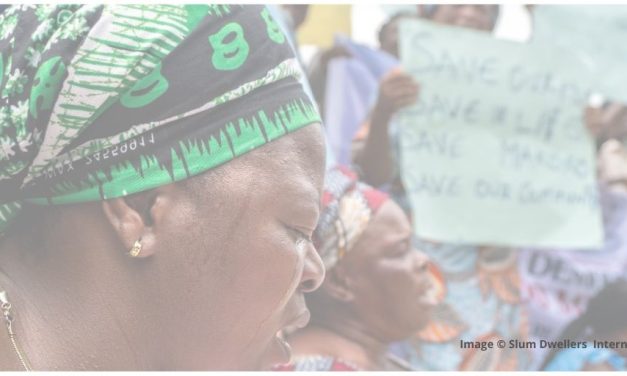
Makoko, Lagos, Nigeria | Expulsions forcées et lutte pour le droit de rester sur place
Expulsions forcées : l’impact humain, la résistance communautaire et le pouvoir du récit Dans le cadre de la campagne collective #StopForcedEvictions, HIC et ses organisations partenaires partagent des témoignages qui [...]
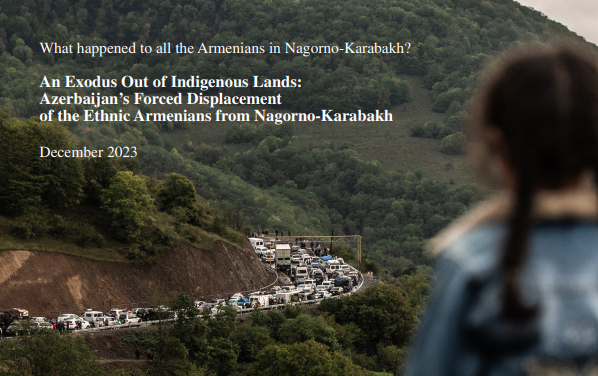
La population arménienne du Haut-Karabakh | Déplacements forcés et lutte pour la justice
Déplacement forcé : les conséquences humaines, la lutte pour les droits et l’exigence de réparation Dans le cadre de la campagne collective #StopForcedEvictions, HIC et ses organisations partenaires partagent des [...]

À noter dans vos agendas : Espace régional d’apprentissage collaboratif sur le logement, la terre et les moyens de subsistance des femmes en Afrique subsaharienne
En collaboration avec Rooftops Canada et les partenaires du Women Spaces Project, nous vous invitons chaleureusement à participer à un « Espace régional d’apprentissage collaboratif » en ligne, en quatre [...]
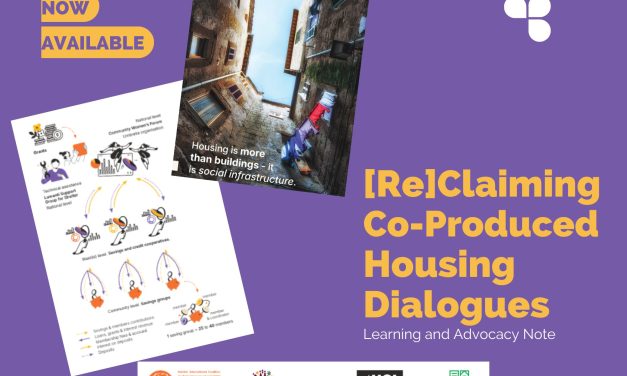
Maintenant disponible : Note d’apprentissage et de plaidoyer : « Reprendre possession du logement coproduit en Europe »
Nous sommes ravis de vous annoncer que la Note d’apprentissage et de plaidoyer résumant les [Re]claiming Co-Produced Housing Dialogues est désormais disponible en ligne en anglais, français et espagnol. Téléchargez [...]
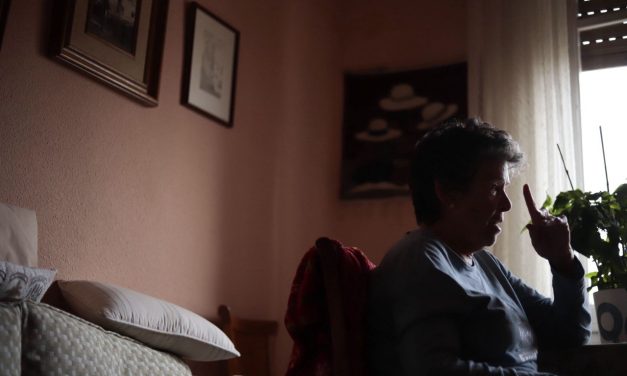
Le cas de Maricarmen : une expulsion forcée et l’incapacité des institutions espagnoles à prévenir et à remédier à une violation des droits de l’homme
Image © Observatori DESCA L’histoire de Maricarmen | Espagne : les expulsions forcées constituent des violations flagrantes des droits de l’homme qui peuvent être évitées. Les conséquences humaines, la lutte [...]
Déclaration de la Présidence à l’occasion de la Journée mondiale de l’habitat – Sécuriser le logement, garantir les droits : appel à l’action contre les expulsions forcées
À l’occasion de la commémoration de la Journée mondiale de l’habitat 2026, Habitat International Coalition (HIC) réaffirme son engagement en faveur de la défense des droits fondamentaux de l’Homme, y [...]
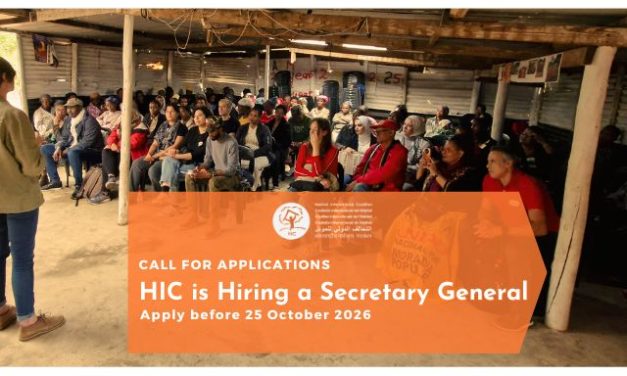
Nous recrutons : HIC recherche un-e Secrétaire Général-e
Habitat International Coalition (HIC) recherche un-e nouveau/nouvelle Secrétaire Général-e pour diriger son Secrétariat Général et coordonner son action interrégionale en défense du droit humain à l'habitat et à un logement [...]
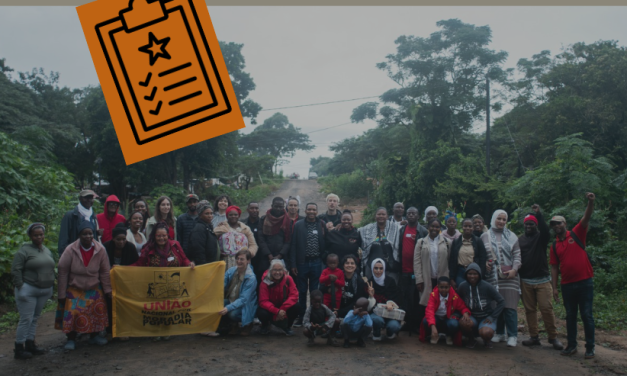
À vos agendas, 8 octobre : Lancement en ligne de la Déclaration sur les priorités communes de la Convergence des mouvements sociaux de HIC
Rejoignez-nous le 8 octobre 2026, de 16 h à 17 h 30 (heure d'Afrique du Sud, SAST), pour le lancement en ligne de la Déclaration sur les priorités communes de [...]

- 1
- ...
- 2
- 3
- 4
- 5
- 6
- 7
- 8
- 9
- 10
- 11
- 12
- 13
- 14
- 15
- 16
- 17
- 18
- 19
- 20
- 21
- 22
- 23
- 24
- 25
- 26
- 27
- 28
- 29
- 30
- 31
- 32
- 33
- 34
- 35
- 36
- 37
- 38
- 39
- 40
- 41
- 42
- 43
- 44
- 45
- 46
- 47
- 48
- 49
- 50
- 51
- 52
- 53
- 54
- 55
- 56
- 57
- 58
- 59
- 60
- 61
- 62
- 63
- 64
- 65
- 66
- 67
- 68
- 69
- 70
- 71
- 72
- 73
- 74
- 75
- 76
- 77
- 78
- 79
- 80
- 81
- 82
- 83
- 84
- 85
- 86
- 87
- 88
- 89
- 90
- 91
- 92
- 93
- 94
- 95
- 96
- 97
- 98
- 99
- 100
- 101
- 102
- 103
- 104
- 105
- 106
- 107
- 108
- 109
- 110
- 111
- 112
- 113
- 114
- 115
- 116
- 117
- 118
- 119
- 120
- 121
- 122
- 123
- 124
- 125
- 126
- 127
- 128
- 129
- 130
- 131
- 132
- 133
- 134
- 135
- 136
- 137
- 138
- 139
- 140
- 141
- 142
- 143
- 144
- 145
- 146
- 147
- 148
- 149
- 150
- 151
- 152
- 153
- 154
- 155
- 156
- 157
- 158
- 159
- 160
- 161
- 162
- 163
- 164
- 165
- 166
- 167
- 168
- 169
- 170
- 171
- 172
- 173
- 174
- 175
- 176
- 177
- 178
- 179
- 180
- 181
- 182
- 183
- 184
- 185
- 186
- 187
- 188
- 189
- 190
- 191
- 192
- 193
- 194
- 195
- 196
- 197
- 198
- 199
- 200
- 201
- 202
- 203
- 204
- 205
- 206
- 207
- 208
- 209
- 210
- 211
- 212
- 213
- 214
- 215
- 216
- 217
- 218
- 219
- 220
- 221
- 222
- 223
- 224
- 225
- 226
- 227
- 228
- 229
- 230
- 231
- 232
- 233
- 234
- 235
- 236
- 237
- 238
- 239
- 240
- 241
- 242
- 243
- 244
- 245
- 246
- 247
- 248
- 249
- 250
- 251
- 252
- 253
- 254
- 255
- 256
- 257
- 258
- 259
- 260
- 261
- 262
- 263
- 264
- 265
- 266
- 267
- 268
- 269
- 270
- 271
- 272
- 273
- 274
- 275
- 276
- 277
- 278
- 279
- 280
- 281
- 282
- 283
- 284
- 285
- 286
- 287
- 288
- 289
- 290
- 291
- 292
- 293
- 294
- 295
- 296
- 297
- 298
- 299
- 300
- 301
- 302
- 303
- 304
- 305
- 306
- 307
- 308
- 309
- 310
- 311
- 312
- 313
- 314
- 315
- 316
- 317
- 318
- 319
- 320
- ...
- 321
Nomination confirmée de Raquel Rolnik pour le poste de Rapporteur Spécial sur le Droit au Logement Convenable
Le Conseil des Droits de l’Homme de l’ONU a approuvé le 26 mars 2008 la nomination de Raquel Rolnik.
Raquel Rolnik’s official nomination
On march 26, the UN Human Rights Council approved the list of candidates for Special Procedures mandate holders proposed by the President of the Council, who chose them out of candidates proposed by the Consultative Group which the Council appointed. The list included Ms. Raquel Rolnik (Brazil), Special Rapporteur on the right to adequate housing as a component of the right to an adequate standard of living, and on the right to non-discrimination in this context
« Disowned by the Ownership Society » by Naomi Klein
« Before the ownership society had a neat label, its creation was central to the success of the right-wing economic revolution around the world. The idea was simple: if working-class people owned a small piece of the market (…) they would cease to identify as workers and start to see themselves as owners, with the same interests as their bosses (…). Class consciousness would be a relic.
International Conference « SPATIAL JUSTICE », University of Paris X, Nanterre, March 12-14-2008.
Spatial justice is the ultimate goal of many planning policies. This idea has held such way that some have even argued that planning and the search for spatial justice are equivalent . The diversity of definitions of “justice” (and of the possible “social contracts” that legitimate them), however, has meant that the political objectives of planning can be quite different and even contradictory. It has become essential therefore that the question of spatial justice be reopened and freshly debated.
Colloque International « Justice et injustice spatiale », Université de Paris X, 12,13,14 mars 2008.
La justice spatiale est l’horizon de la plupart des politiques d’action sur les territoires. Son influence est telle que l’on a pu considérer que l’aménagement du territoire et la recherche de la justice spatiale étaient strictement équivalents . Pourtant, la diversité des définitions de la « justice » (et des possibles « contrats sociaux » qui les légitiment) est grande et les objectifs poursuivis sont divers, voire contradictoires. Il paraît donc urgent d’éclairer la notion de justice spatiale.
Les Prix Mondiaux de l’Habitat 2008
Les World Habitat Awards (Prix Mondiaux de l’Habitat) ont été créés en 1985 par la Building and Social Housing Foundation dans le cadre de sa contribution à l’Année internationale du logement des sans-abri des Nations Unies.
World Habitat Awards 2008
The World Habitat Awards were established in 1985 by the Building and Social Housing Foundation as part of its contribution to the United Nations International Year of Shelter for the Homeless.

Promotion and Protection of All Human Rights, Civil, Political, Economic Social and Cultural Rights, Including the Right to Development
Report of the Special Rapporteur on adequate housing as a component of the right to an adequate standard of living (Miloon Kothari)
Housing at the basis for human rights development from the Habitat for Humanity experience
In this issue we examine « housing as a human right », and what it means in the different contexts in which Habitat for Humanity works worldwide.
The Forum, Volume 14, N.4, Habitat for Humanity and Housing Rights

Promotion et Protection de Tous les Droits de L’Homme, Civils, Politiques, Économiques, Sociaux et Culturels, Y Compris le Droit au Développement
Rapport du Rapporteur spécial sur le logement convenable en tant qu’élément du droit á un niveau de vie suffisant ainsi que sur le droit á la non-discrimination dans ce domaine (Miloon Kothari)