Thème principal / objectif
The project aimed to create spaces for the exchange of practical knowledge related to the planning and sustainable management of urban peripheries in Ibero-America. This involved the development of specialized knowledge, as well as policy proposals, management models, and intervention methodologies for the comprehensive and sustainable development of peripheral urban spaces, from an interdisciplinary and participatory perspective, thereby establishing a network for exchange and knowledge transfer to and with the territories and communities involved.
Groupes bénéficiaires
The primary beneficiaries were the participating organizations and their respective territorial and community spheres of influence, to whom methodological proposals were made available for the comprehensive management of peripheral areas—addressing land-use planning based on clear guidelines for sustainable development (municipalities, city councils, ministries, NGOs). Furthermore, the local population and/or urban social movements strengthened their management capacities, while university structures, professionals, civil servants, and agents of territorial transformation at various levels enhanced their training.
Emplacement (communauté / Ville)
Province / état
Pays
Population participante
Network members: 6 universities: National University of the Littoral (UNL) –Argentina–, University of the Eastern Republic of Uruguay (UdelaR), Feevale University (FEEVALE) –Brazil–, University of Seville (US) –Spain–, University of Granada (UGr) –Spain–, University of São Paulo (USP) –Brazil–; 3 international organizations (Regional Office for Latin America of the International Habitat Coalition—HIC AL, Latin American and Caribbean Organization of Historic Centers—OLACCHI, Actions Without Borders of the International Union of Architects—AWB.UIA); 1 NGO (Ambiens), from six countries (Uruguay, Argentina, Brazil, Spain, Ecuador, Chile). Communities, officials, and technical experts from the relevant fields and territories.
Description de la pratique
Brève description quantitative et qualitative
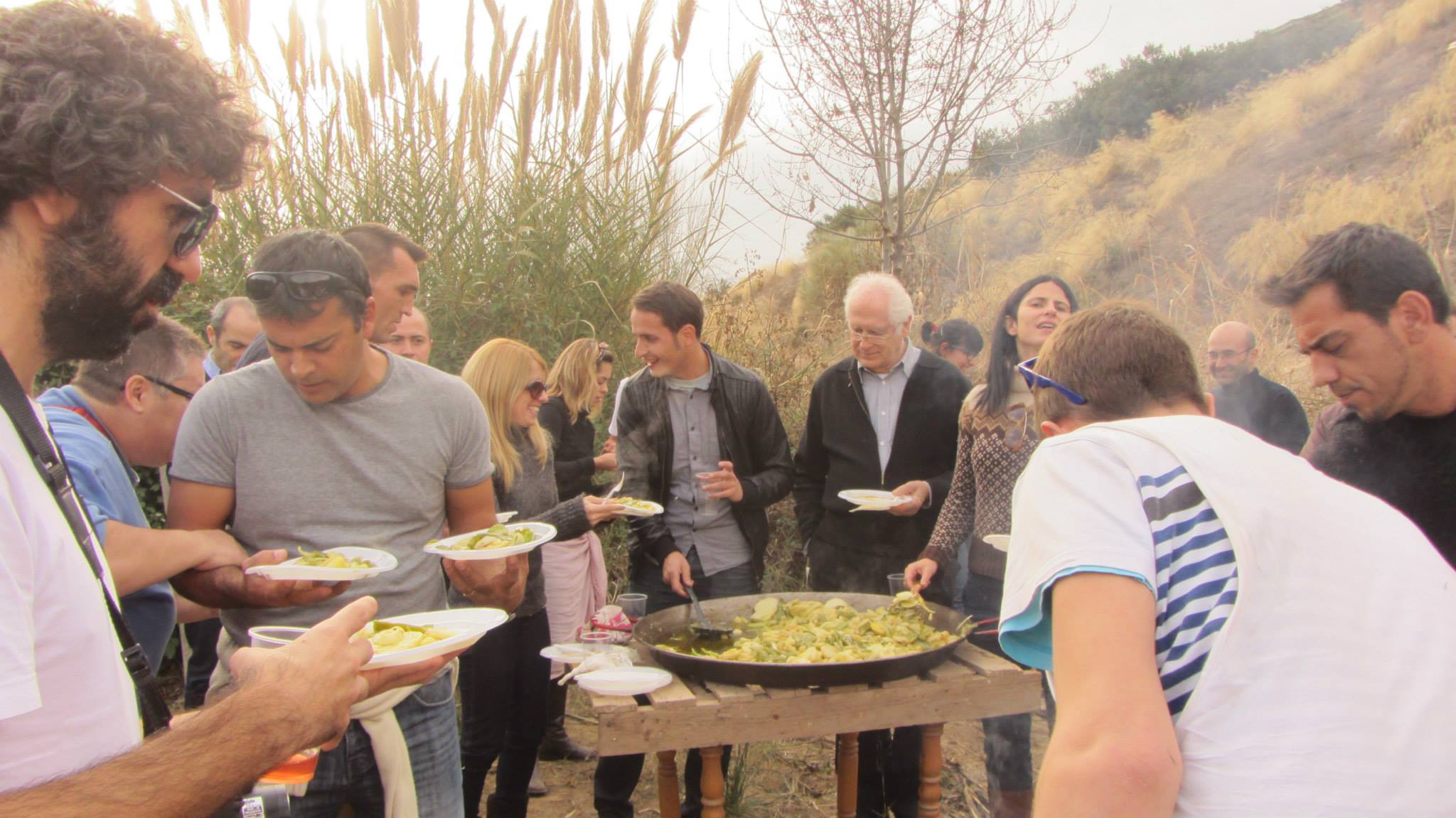
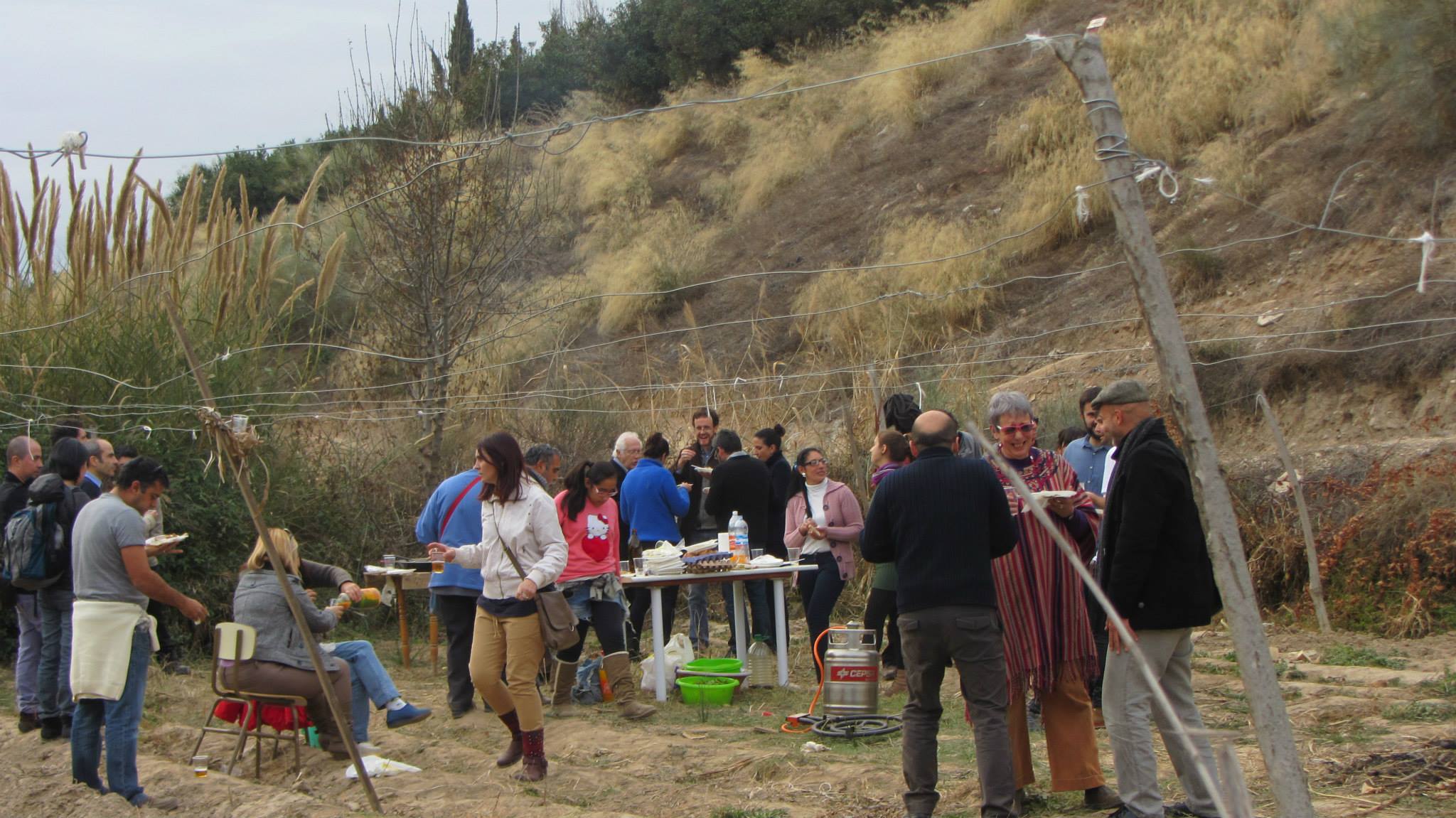
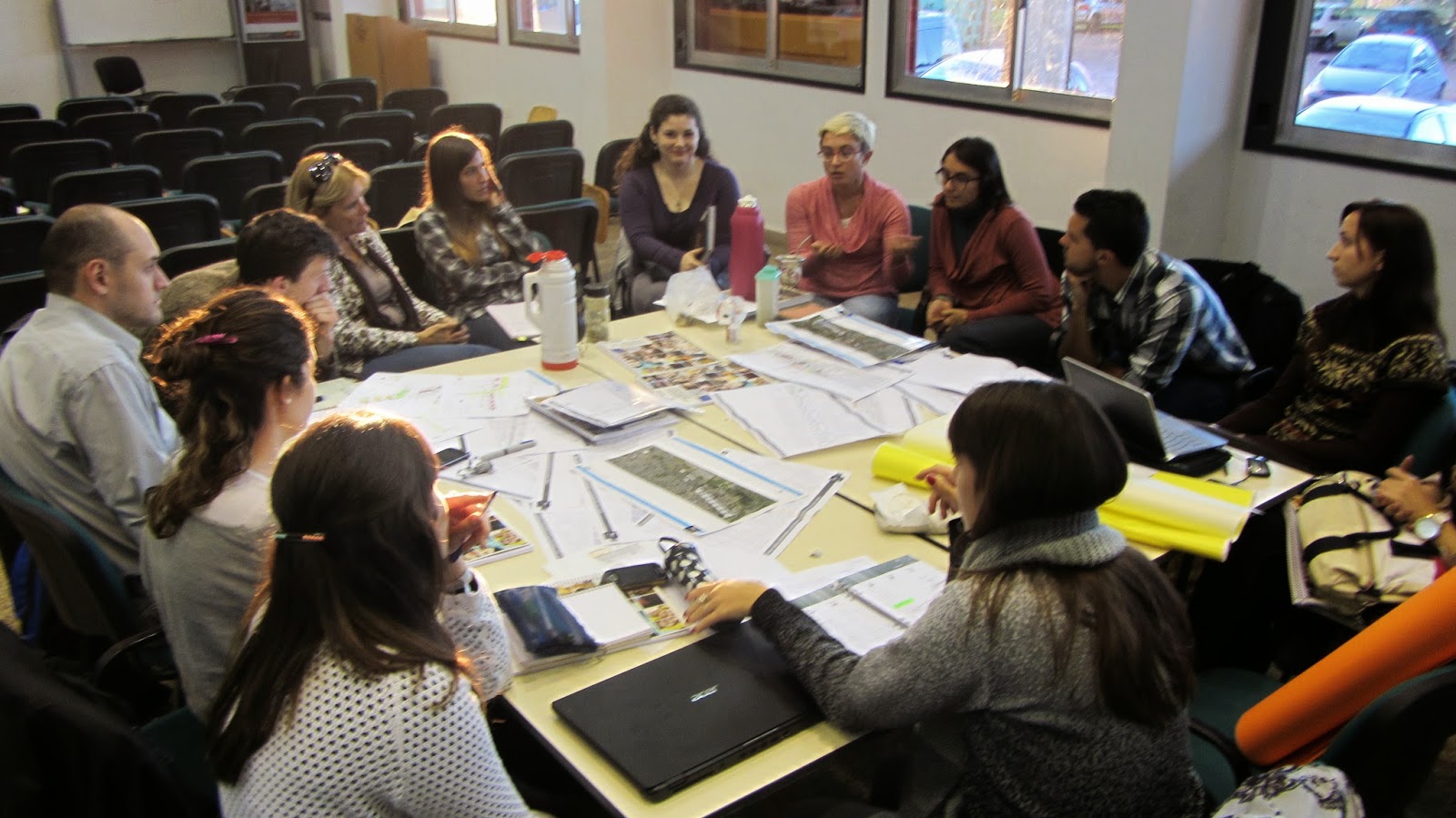
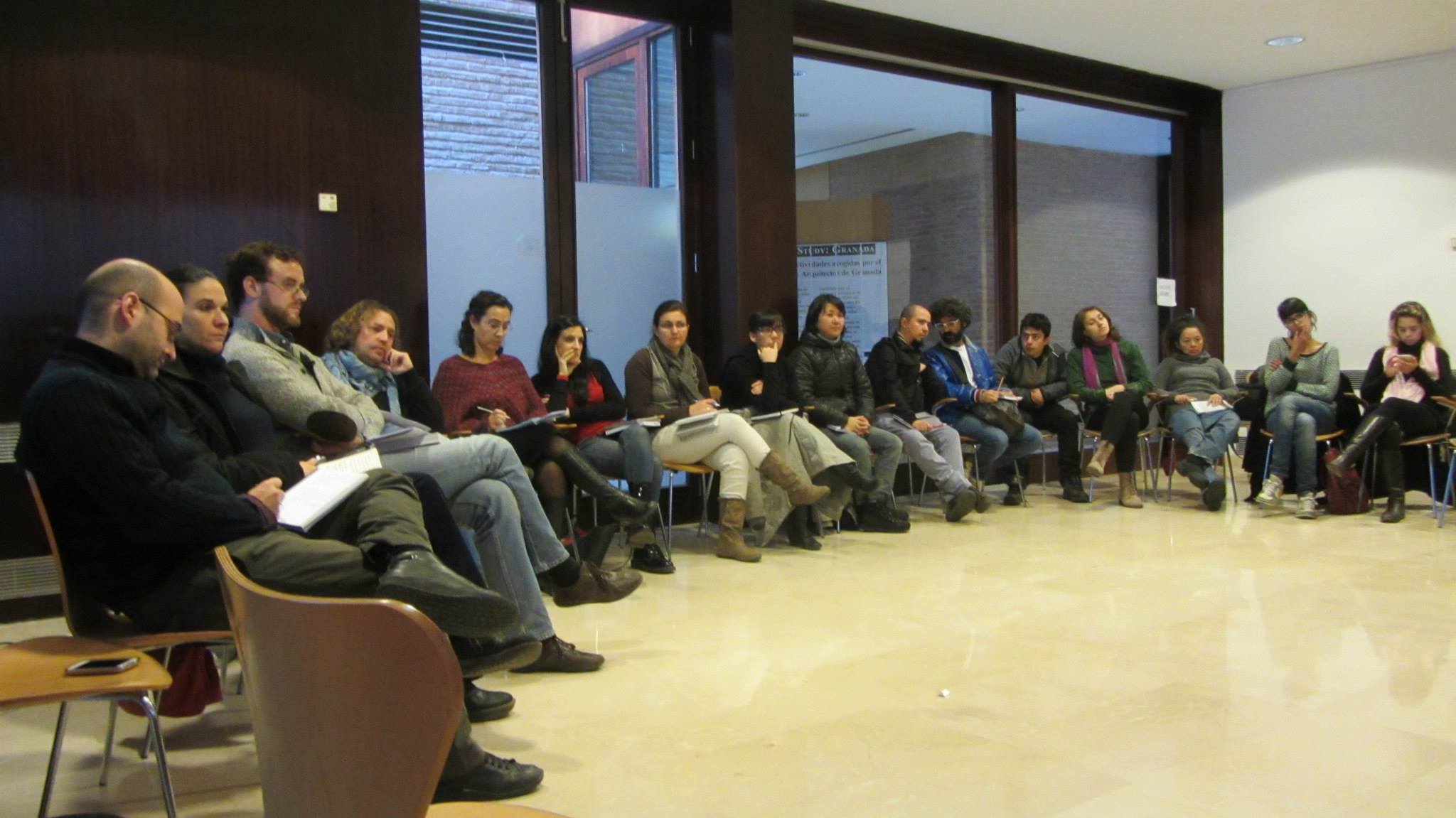
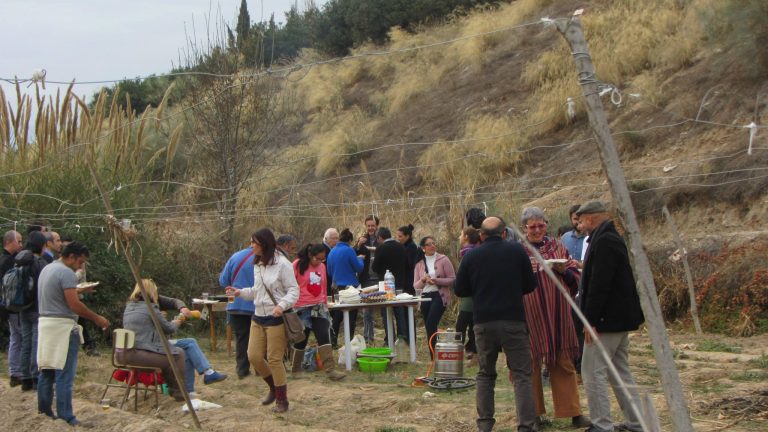
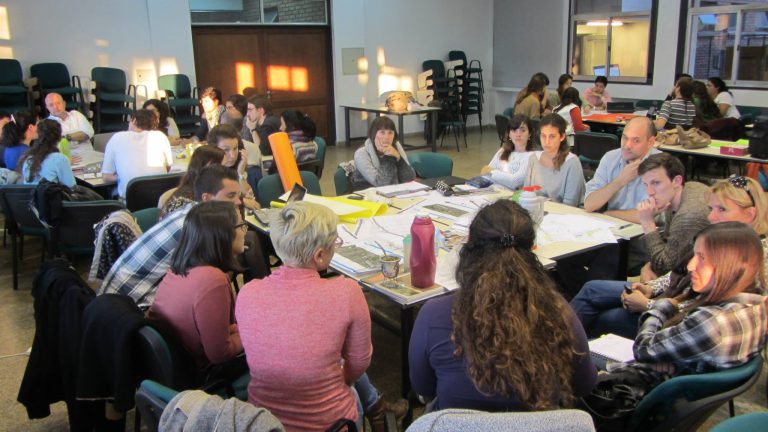
Activities open to the community were held at the ten host locations (researchers, officials, students, social organizations, political and institutional leaders), involving a total of 300 to 350 people. An international competition was held, including new countries (Colombia and Mexico). The following were organized: 1 training course, 2 seminars, 1 traveling workshop, 1 Actions Without Borders workshop, and 3 inter-institutional exchange internships. The project contributed to a publication on housing cooperatives and an exhibition, and academic and outreach publications were produced. All the activities described took place between October 2012 and December 2015.
The most significant activities—which brought together the entire network—took place in Santa Fe (Argentina), Montevideo (Uruguay), São Paulo (Brazil), Quito (Ecuador), and in Seville and Granada (Spain). Activities also took place in Buenos Aires and Barcelona, as well as in Chile, where activities related to the network’s local coordination were carried out—particularly regarding specific presentations and articles—since at that time the HIC Secretariat was based in Santiago, Chile. It is worth noting that one of the final activities was held in Mexico City as an exchange program.
Pertinence pour l'habitat et les droits de l’Homme
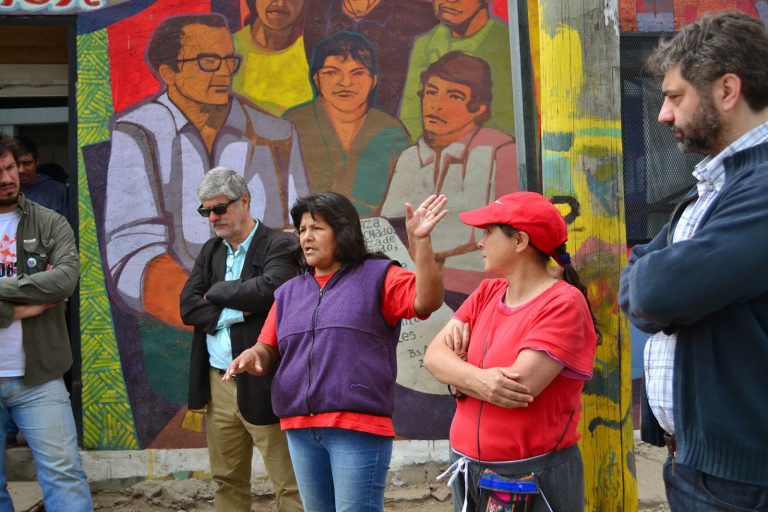
This practice brought to light diverse realities and approaches within a collective effort to develop sustainable territories and communities. The right to habitat, to the city, to housing, to territory, and to food sovereignty—among other related aspects—were central to our approach to cities and their urban peripheries.
Domaines thématiques de HIC concernés par cette Pratique
Comment cette pratique se rapporte-t-elle aux domaines thématiques de HIC ?
The practice focuses on the construction of cities at their edges and beyond—a setting marked by inequalities, but also by collective processes, identity-building, planning, and management. Therefore, it relates to the right to housing and land, the Social Production of Habitat, and a sustainable environment (with gender as a cross-cutting issue).
Contexte et approche : quel défi a-t-il abordé et comment ?
The spaces of the peripheries and urban fringes reflect the socio-territorial imbalances of the capitalist city. Addressing this issue is one of the most complex and challenging tasks faced by producers, researchers, and managers of territory and habitat. The strategy was defined by the creation of a network that promotes a cross-cutting vision and action in public policy, moving beyond sector-specific programs. Multi-stakeholder, participatory management, a gender perspective, and a focus on environmental issues provided the conceptual and methodological framework for this strategy.
Résultats essentiels et leçons apprises
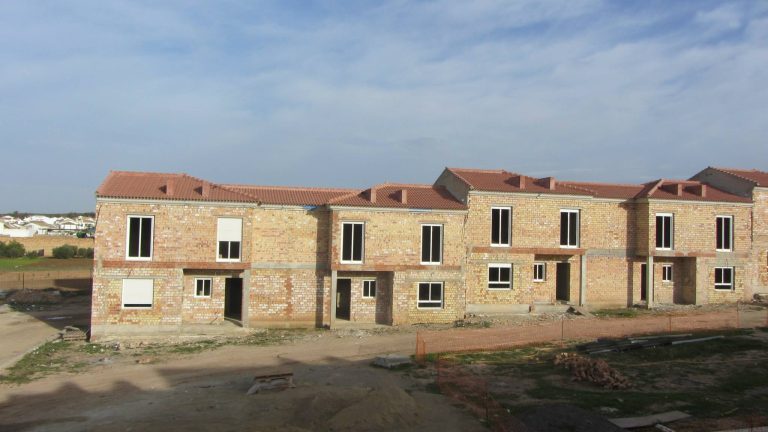
Contribution of methodologies for analysis, diagnosis, intervention, and comprehensive management of peripheral contexts; a system of socio-urban and environmental management indicators; technical manuals for the improvement and sustainable management of neighborhoods; capacity building for technical staff and residents; and the collective construction of knowledge and exchange.
Valeurs partagées et action collective au sein de la Coalition
Lien avec les valeurs et l'histoire de HIC
The participation of a member of HIC (Vivienda Social y Ciudad, National University of the Littoral—UNL) and of the HIC Secretariat itself (at that time based in Chile) centrally linked each of the network’s activities to those values and concerns, from analysis and conceptualization to multiplier actions in the territories and their impact on public policy.
Contribution aux défis futurs de l'Habitat
It contributes through results and lessons learned focused on:
- The collective construction of knowledge
- Learning from territorially and socially diverse practices
- The international dissemination of methodologies, processes, and experiences
- Advocacy for public policies and concrete actions in our local communities
- Human resources development and institutional transformation.
Héritage et vision d'avenir
Strengthening networks, gatherings, exchanges, and collective (and cross-disciplinary) learning is essential for addressing habitat issues as endeavors that transcend an individual, narrow, or partial perspective. Learning from and with local communities, by integrating diverse forms of knowledge (technical, academic, and community-based), is key to scaling up experiences and transforming realities.
Lien avec les processus mondiaux
Médias et Ressources
Message aux jeunes générations
The participation of young people—students, recent graduates, and community members—was essential throughout the process, and many of them promoted multiplier effects in their own spheres and territories. “Going beyond” the usual paths in collective endeavors is always the way to address complex processes of habitat production and transformation.
Liens Externes
Informations sur l'organisation
Nom de l'organisation
Pays
Région
Adhérent-e-s de HIC depuis
Année de création de l'organisation
Site Web / Réseaux Sociaux
Photos