Tema Principal / Objetivo
The central objective of the project is to strengthen women’s secure access to land, housing, and livelihoods by improving legal awareness, building municipal and community capacity, and implementing participatory land administration systems. Through gender-responsive mapping, training, and policy engagement, the project supports women to obtain recognition of their land rights, reduces vulnerability to dispossession, and embeds gender equality into municipal land governance, contributing to inclusive urban development and long-term institutional reform in Angola.
Grupos Beneficiarios/as
Women living in informal and peri-urban settlements are the primary beneficiaries, gaining stronger tenure security, legal awareness, and improved access to land, housing, and livelihoods. Municipal authorities benefit through enhanced capacity to manage gender-responsive land administration systems. Community organizations and traditional leaders gain tools to support equitable land governance. Ultimately, families and communities benefit from reduced land conflicts, improved housing stability, and more inclusive, transparent, and sustainable municipal land management.
Ubicación (Comunidad / Ciudad)
Provincia / Estado
País
Población Participante
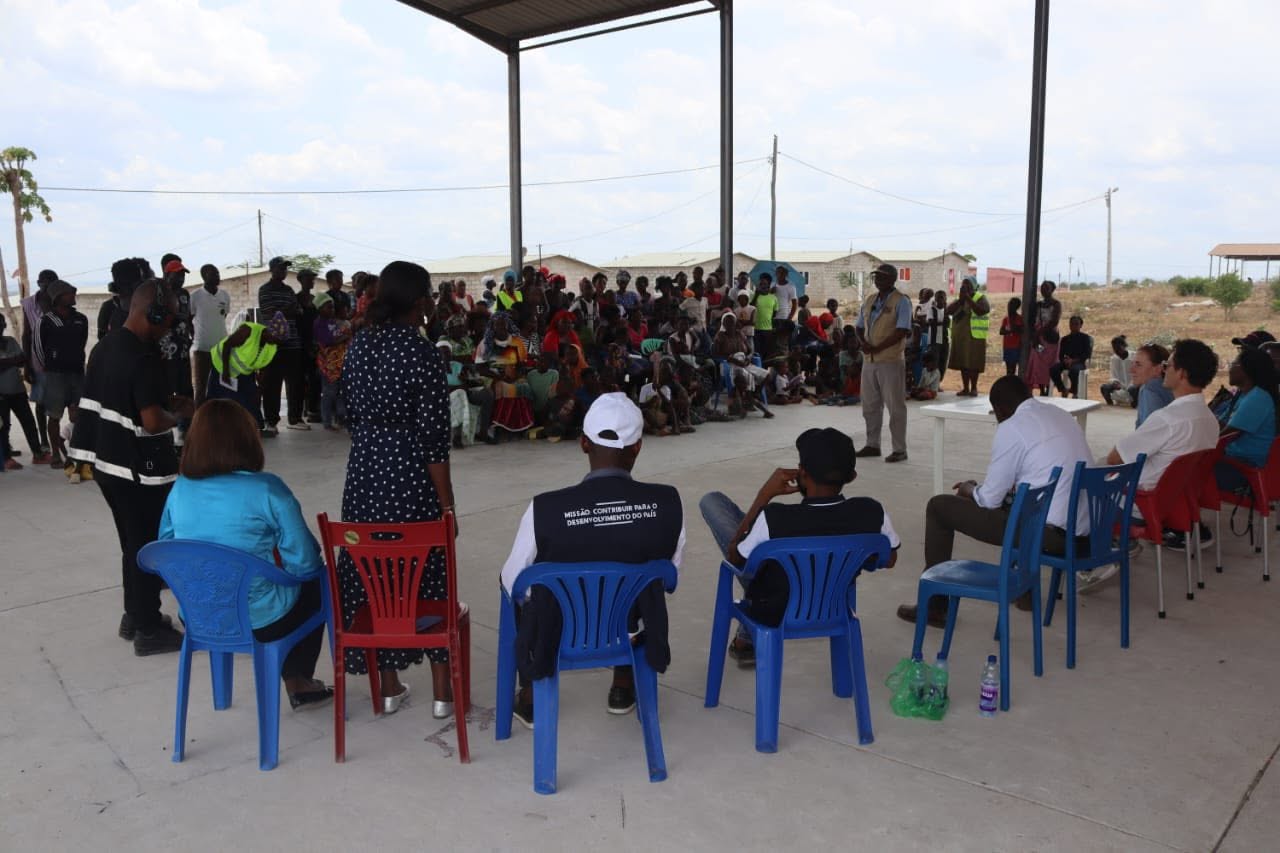
The participating and beneficiary population consists primarily of low-income residents of informal and peri-urban settlements experiencing insecure land tenure. Many households rely on small-scale agriculture, informal employment, or self-employment for their livelihoods. Women—especially widows, single mothers, and female heads of household—form a key focus group due to their heightened vulnerability to land dispossession. Participants also include municipal technicians, traditional authorities, and community leaders who play central roles in local land governance and administration.
Descripción de la Práctica
Descripción cuantitativa y cualitativa breve
The project engages approximately 6,173 households (about 37,000 people) in 24 informal and peri-urban settlements in Huambo Province. Beneficiaries are primarily low-income households, with a strong focus on women, especially widows, single mothers, and women farmers. Nearly 1,000 municipal officials, traditional leaders, and civil society members participate in training and land governance activities. The project strengthens women’s tenure security while building institutional capacity for gender-responsive municipal land administration.
Relevancia para el Hábitat y los Derechos Humanos
This practice promotes secure tenure, gender equality, and inclusive urban governance in line with the New Urban Agenda. By strengthening women’s land rights and participatory municipal land management, it advances the right to adequate housing, reduces vulnerability to forced eviction, and supports sustainable, resilient, and people-centred urban development.
Áreas Temáticas de HIC Relacionadas con esta Práctica
¿Cómo se relaciona esta práctica con las áreas temáticas de HIC?
This practice directly advances Housing and Land Rights by promoting secure tenure, legal empowerment, and protection against dispossession for low-income women in informal and peri-urban settlements. It strengthens Habitat and Gender Equality by embedding gender-responsive approaches in municipal land governance and challenging discriminatory customary practices. It supports the Social Production of Habitat through participatory mapping, and, recognising residents—especially women—as active producers and managers of their living environments.
Contexto y enfoque: ¿qué desafío abordó y cómo?
The practice addresses insecure land tenure in informal and peri-urban settlements, where weak municipal land administration, overlapping statutory and customary systems, and gender-discriminatory inheritance practices leave women vulnerable to dispossession and exclusion. Although national law guarantees equality, women often lack documentation and legal awareness. The project responds by combining legal empowerment, participatory land mapping, and municipal capacity building. Through gender-responsive training, implementation of the SAGIT (STDM) land information system, community enumeration, and policy engagement with local and national authorities, it strengthens women’s tenure security while institutionalizing inclusive, participatory municipal land governance.
Resultados Clave y Lecciones Aprendidas
Key outcomes include successfully influencing municipal policy and practice by institutionalizing gender-responsive land administration tools, training municipal technicians, and integrating participatory mapping into official cadastre systems. Local authorities have adopted more inclusive procedures recognizing women’s land rights. The project demonstrates that combining legal empowerment, participatory data, and municipal capacity building can achieve lasting institutional change.
Medios y Recursos
Testimonio / Cita
By institutionalizing participatory municipal land management and securing women’s tenure rights, it builds resilience to urban expansion, displacement, and inequality.
Mensaje a las Generaciones Más Jóvenes
This practice shows that meaningful change begins with listening to communities and working alongside them to claim their rights. Younger generations have the opportunity to shape more just and inclusive cities by combining technical skills with social commitment. The lesson is clear: land, housing, and habitat are not only technical issues, but human rights. By promoting participation, equality, and solidarity, the next generation can build settlements where everyone—especially women and the most vulnerable—has security, dignity, and a voice in shaping their future.
Documentos / Videos
Fotos