Tema Principal / Objetivo
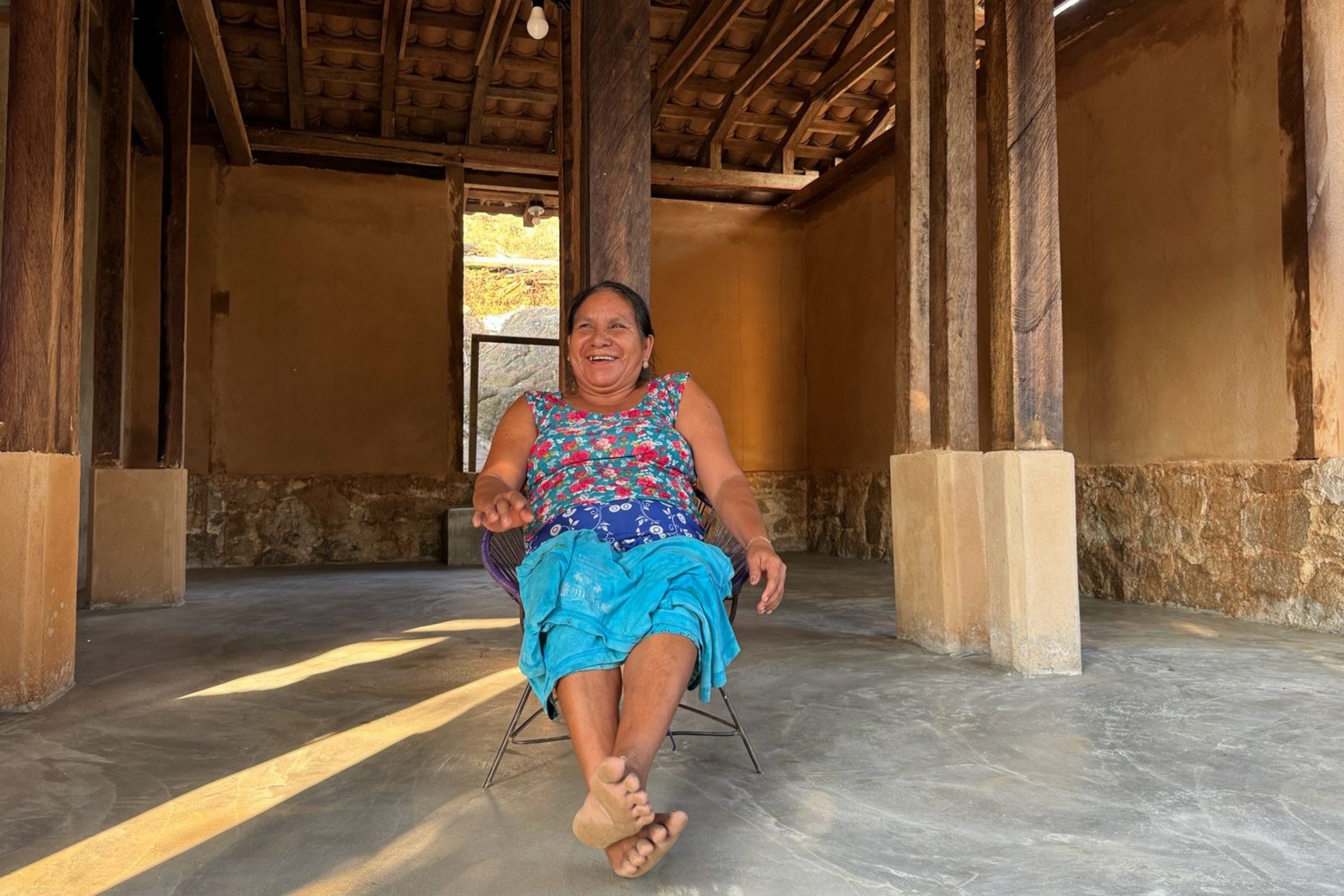
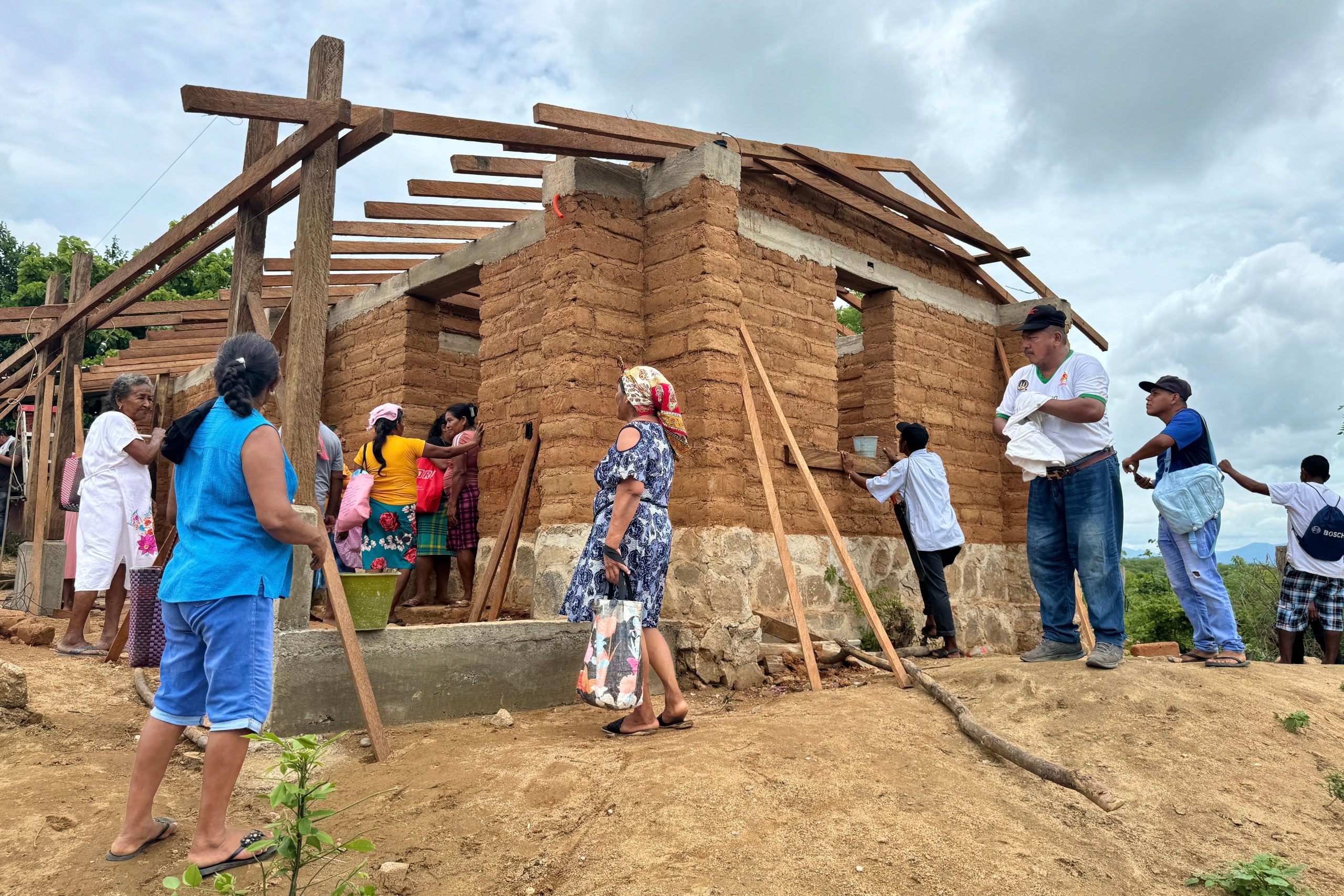
Comprehensively reconstruct the habitat in 24 rural communities in Acapulco, Guerrero, affected by Hurricanes Otis and John, through participatory and self-managed processes. The objective is to improve living conditions and reduce vulnerability through comprehensive risk management and the strengthening of community organization. Some of the actions include the reconstruction of reinforced traditional housing, the agroecological recovery of crops to promote food sovereignty, and access to water and sanitation.
Grupos Beneficiarios/as
24 communities in the Cacahuatepec Agrarian Nucleus, Acapulco, which had been defending their territory and their river against the construction of the La Parota Dam for 20 years.
Despite being settled along the Papagayo River, access to water and sanitation is virtually nonexistent. This project is primarily aimed at women and girls, who spend 3 to 5 hours a day transporting this essential resource.
Ubicación (Comunidad / Ciudad)
Provincia / Estado
País
Población Participante
Rural communities of the Cacahuatepec Agricultural Settlement
Descripción de la Práctica
Descripción cuantitativa y cualitativa breve
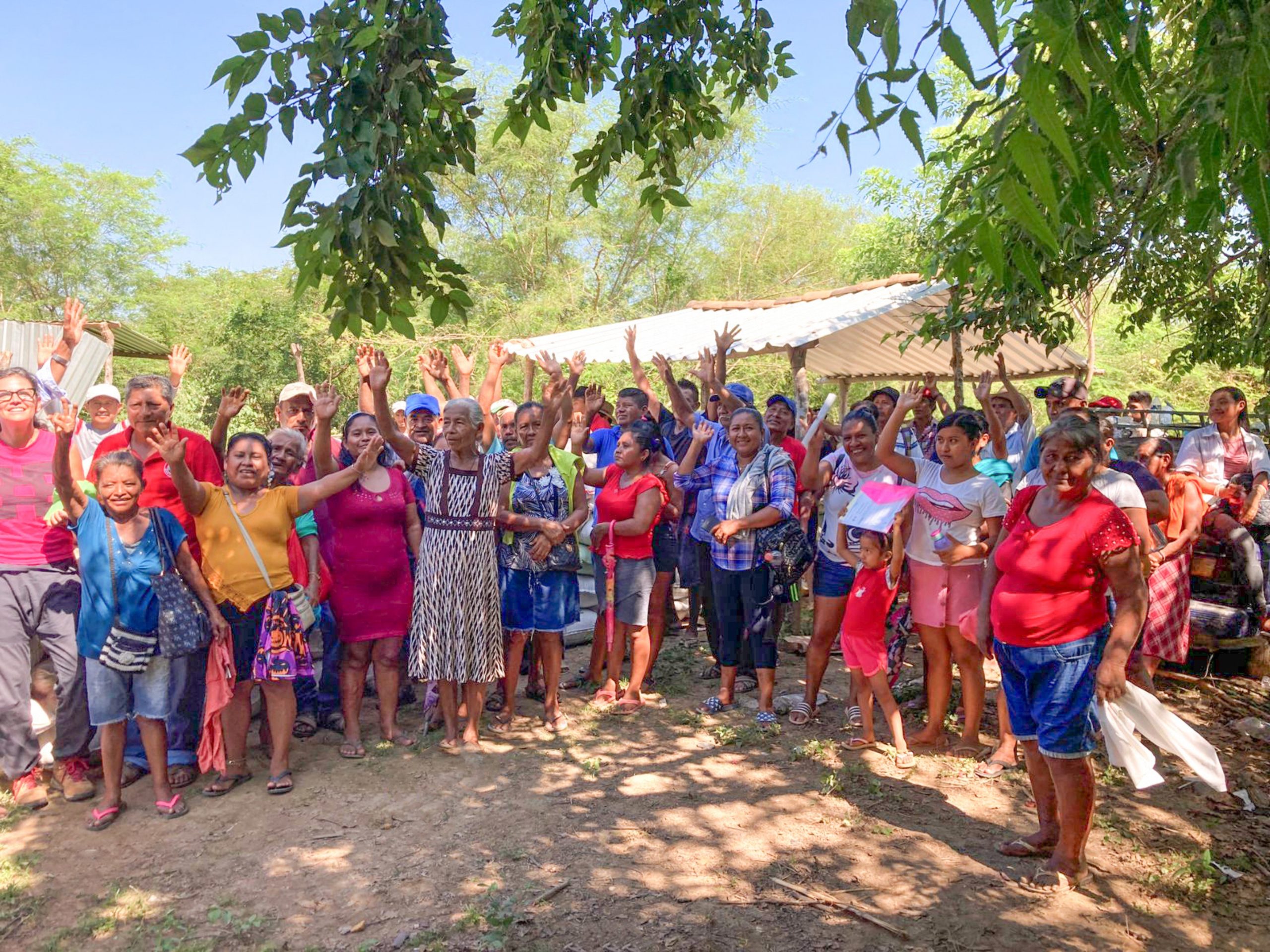
More than 2,200 peasant women and men from 24 rural communities in the Cacahuatepec Agrarian Nucleus who live in highly vulnerable conditions in a territory facing significant climate threats. They are distributed along the Papagayo River and have been organized for 20 years within CECOP (Council of Ejidos and Communities Opposed to the La Parota Dam), a community movement in defense of water and territory.
Relevancia para el Hábitat y los Derechos Humanos
It guarantees the human right to adequate housing through self-managed processes. It promotes food sovereignty by reviving traditional methods of agroecological production, using native seeds. It works to ensure access to water and sanitation, forest restoration, and community organization for comprehensive risk management.
Áreas Temáticas de HIC Relacionadas con esta Práctica
¿Cómo se relaciona esta práctica con las áreas temáticas de HIC?
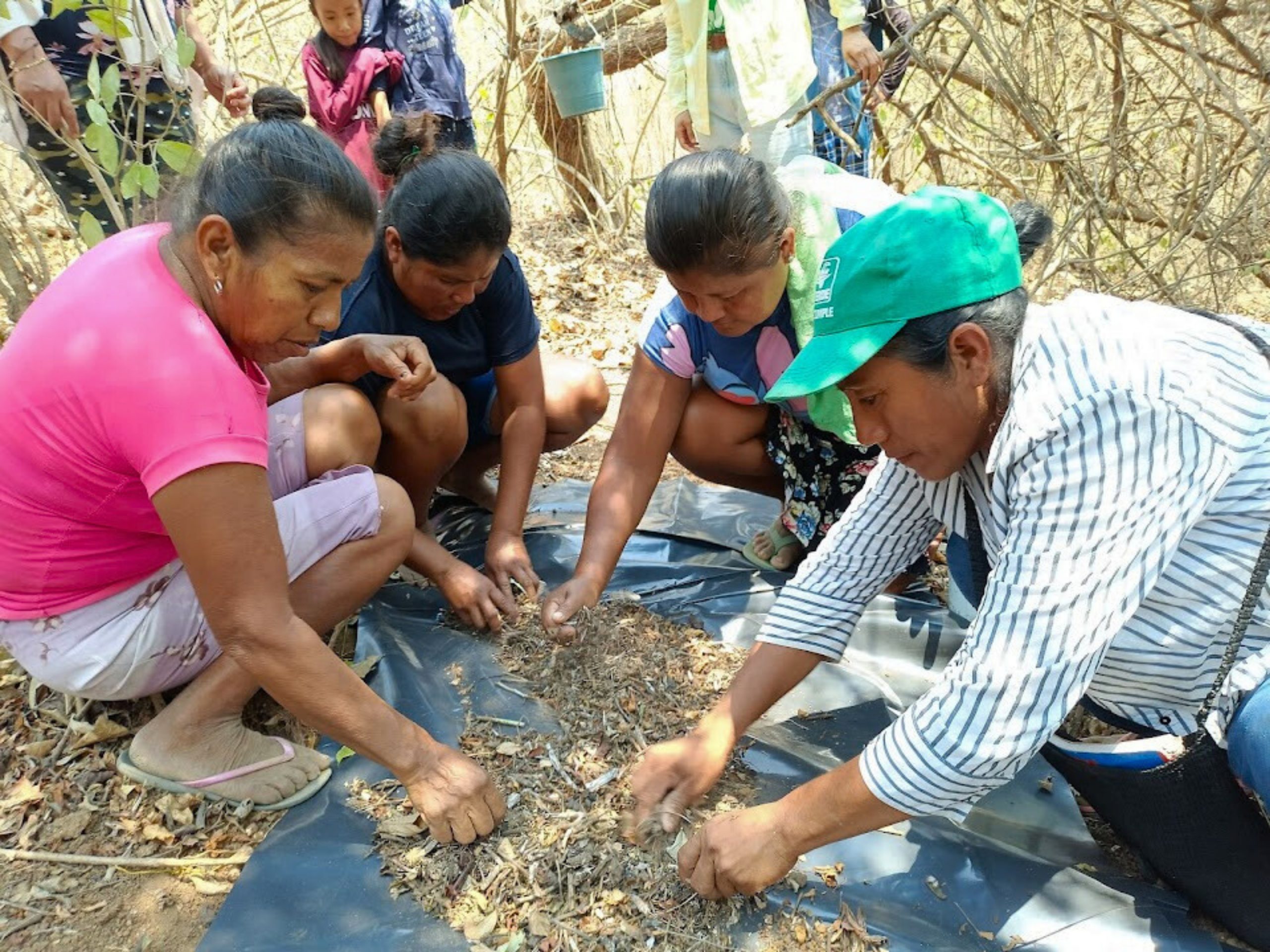
It relates to the Social Production of Habitat by strengthening communities’ capacity to build their territory using local materials and ensuring the active participation of women throughout the process. The self-production of eco-technologies reduces firewood consumption and promotes responsible water consumption.
Contexto y enfoque: ¿qué desafío abordó y cómo?
The main challenge was the successive impact of Hurricanes Otis (2023) and John (2024). It was addressed through four lines of action:
- Reconstruction of reinforced traditional housing and the right to adequate housing.
- Sustainable recovery of crops and livelihoods.
- Access to water and ecological and community-based sanitation.
- Social organization and comprehensive risk management with representatives from 24 communities.
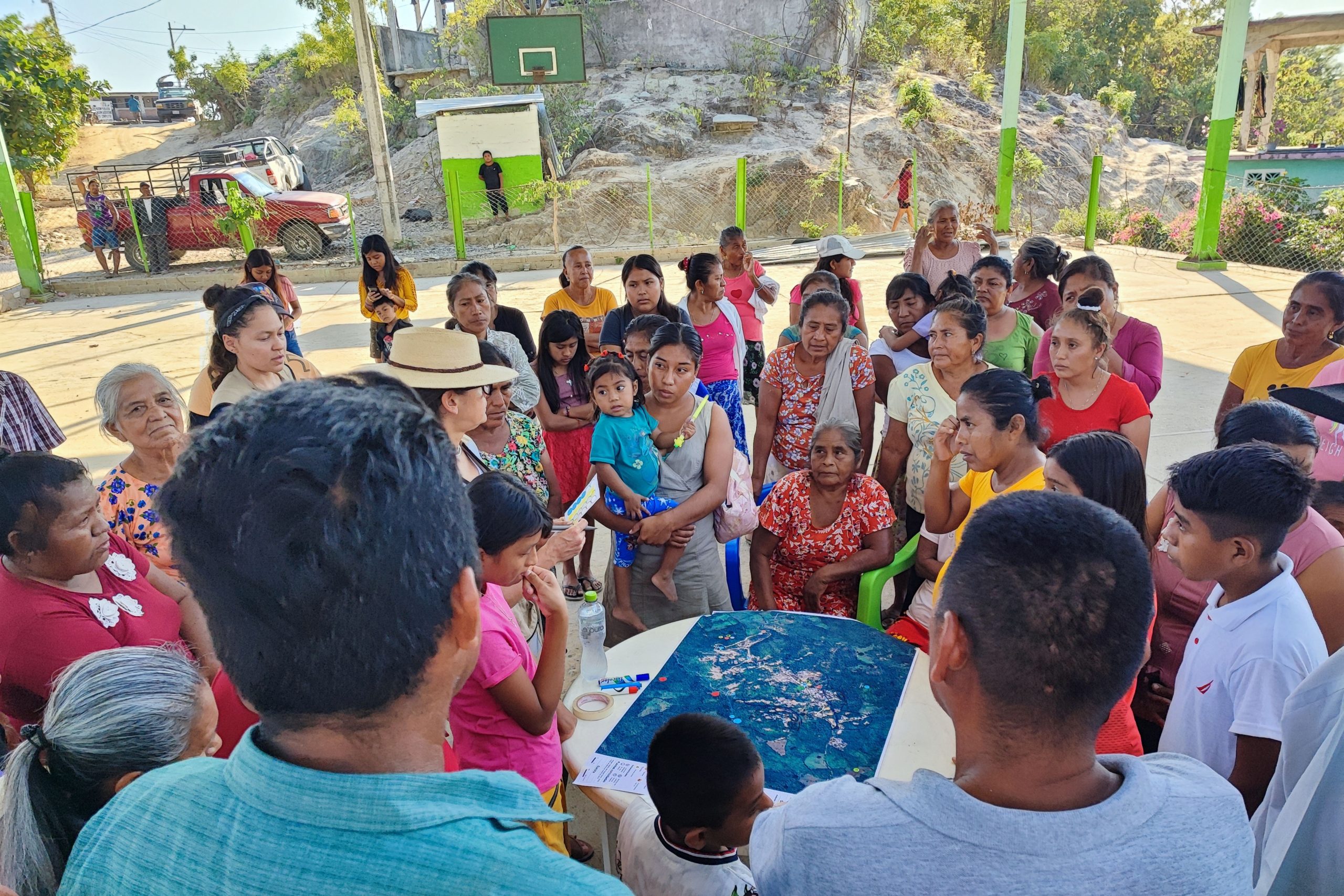
Through participatory assessments, threats and vulnerabilities were identified and addressed through the four lines of action in a participatory manner to build local capacities that contribute to comprehensive risk management (CRM).
Resultados Clave y Lecciones Aprendidas
CECOP’s prior organizational work enabled a comprehensive and participatory reconstruction effort with an inter-community scope, as well as the analysis of risks at the regional level and the establishment of a community-based organization for integrated risk management. From this process emerged COIMDRA (Indigenous and Mestizo Council for Rural and Environmental Development), shifting the focus from defending the territory to developing it.
Medios y Recursos
Testimonio / Cita
“A well-built house, made with adobe from clay extracted right here on the communal lands of Cacahuetepec, is a source of pride (…) They’ve been deceiving us all along, saying that adobe is a material of the past. I say it’s the material of the future. It’s important to revive it. And it’s important that we value water, roof tiles, clay, and the entire Cooperación Comunitaria team, who bring a vision that’s completely at odds with what the government says, and which we share, to build not just homes, but a whole way of life, and to revive that ancestral knowledge. What suits the governments, these systems, is for us to forget our roots, to abandon the countryside and our community. Why? So they can take over, taking our water and gravel, and creating open-pit mines that bring disease, displacement, and the breakdown of the social fabric. I therefore call for unity, for community, and for the brotherhood of all peoples. May this message resonate far and wide, and may the communal lands of Cacahuatecpec one day serve as a model for housing, agriculture, and organization, comrades.” —Marco Antonio Suástegui Muñoz (CECOP)
Mensaje a las Generaciones Más Jóvenes
These communities teach us that defending territory and natural or common resources is a defense of life and the only way to build the future. Learning from local knowledge, organizing collectively, and caring for the commons are paths to confronting the climate and civilizational crises we are currently facing.
Documentos / Videos
Información de la Organización
Nombre de la Organización
País
Región
Año de Fundación
Sitio Web / Redes Sociales
Fotos