Main Theme / Objective
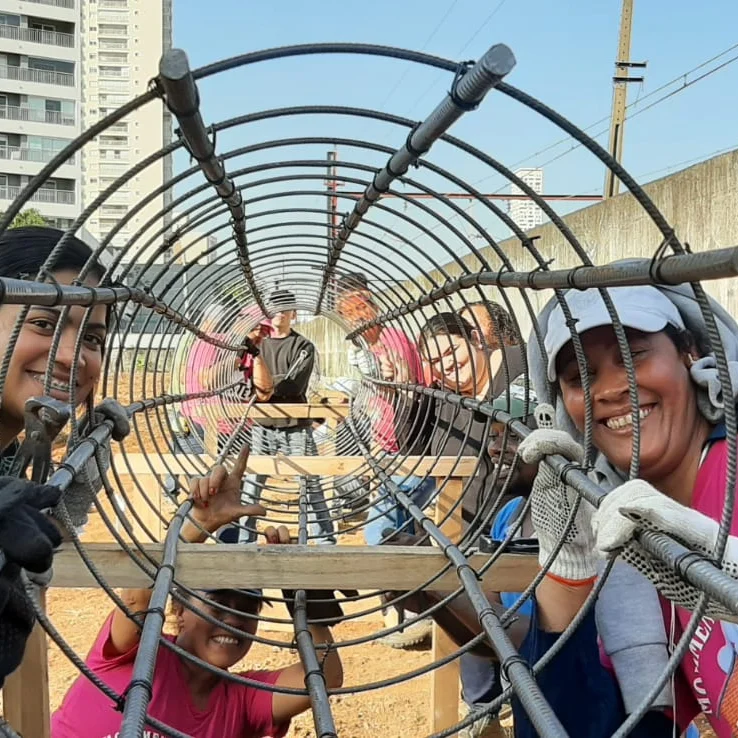
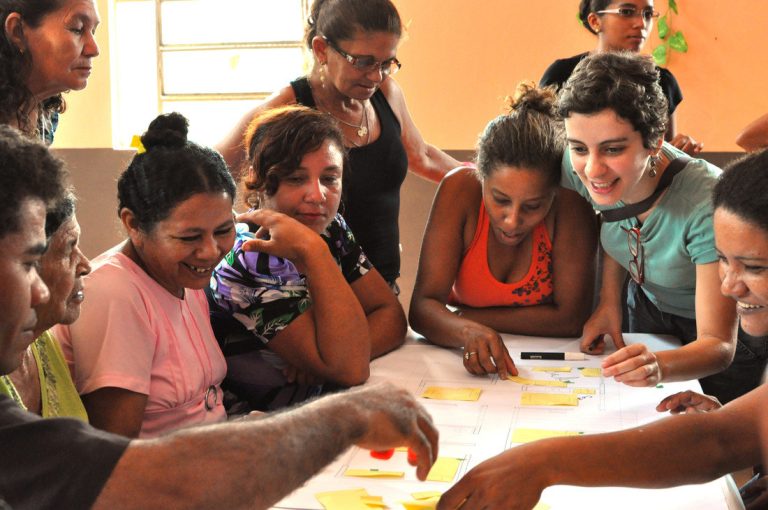
Community self-management in housing refers to actions in which housing production or the urban development of an area is carried out under the control of popular movements, social organisations, and cooperatives, which manage public resources and construction work. It is the community itself managing the process of producing its own housing solutions as a means of realizing the right to adequate housing.
Beneficiary Groups
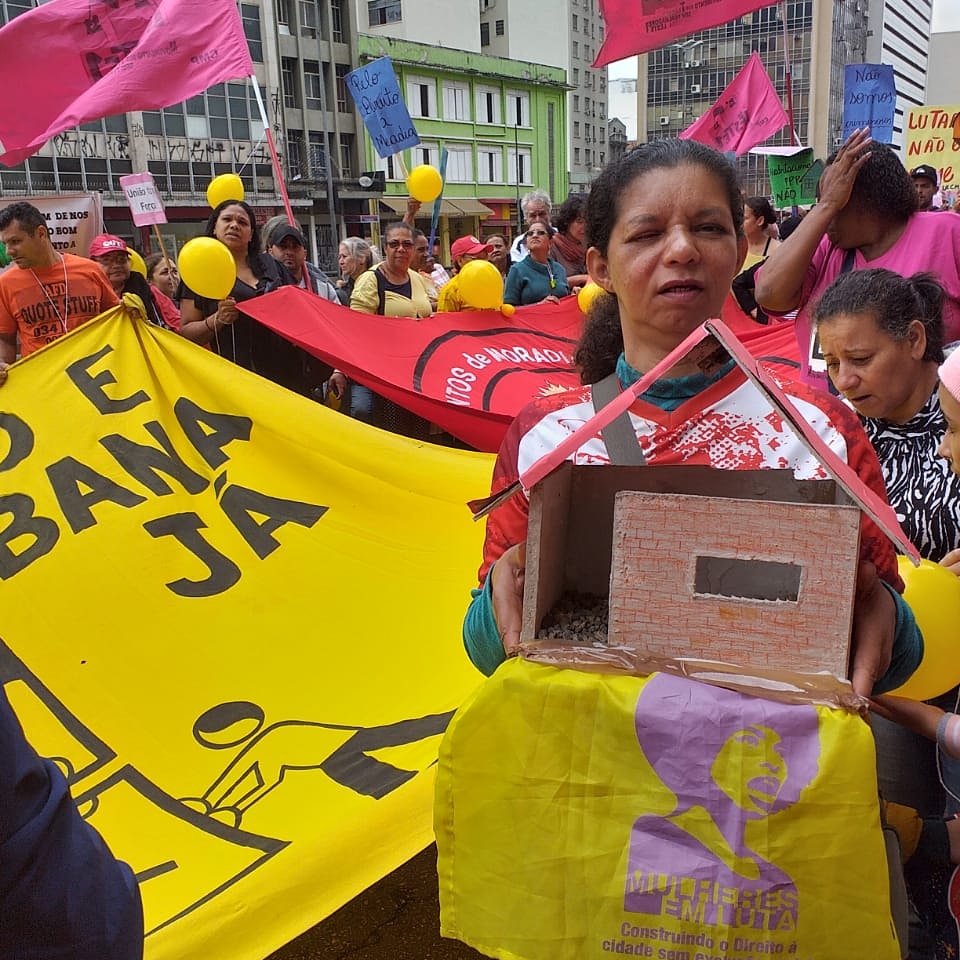
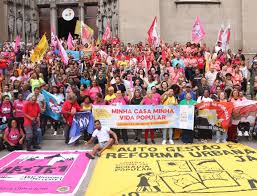
This practice involves low-income families experiencing homelessness, organized into local housing advocacy groups in more than 50 Brazilian municipalities. These families are predominantly headed by women, with Black and mixed-race heads of household, and are active in the informal economy.
Location (Community / City)
Province / State
Country
Participating Population
Low-income families experiencing homelessness, mostly living in urban peripheries, organized into local grassroots housing movements.
Practice Description
Brief quantitative and qualitative description
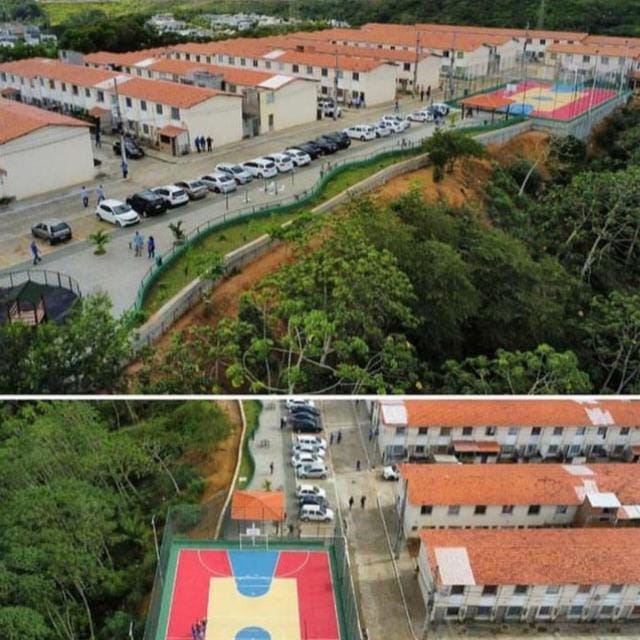
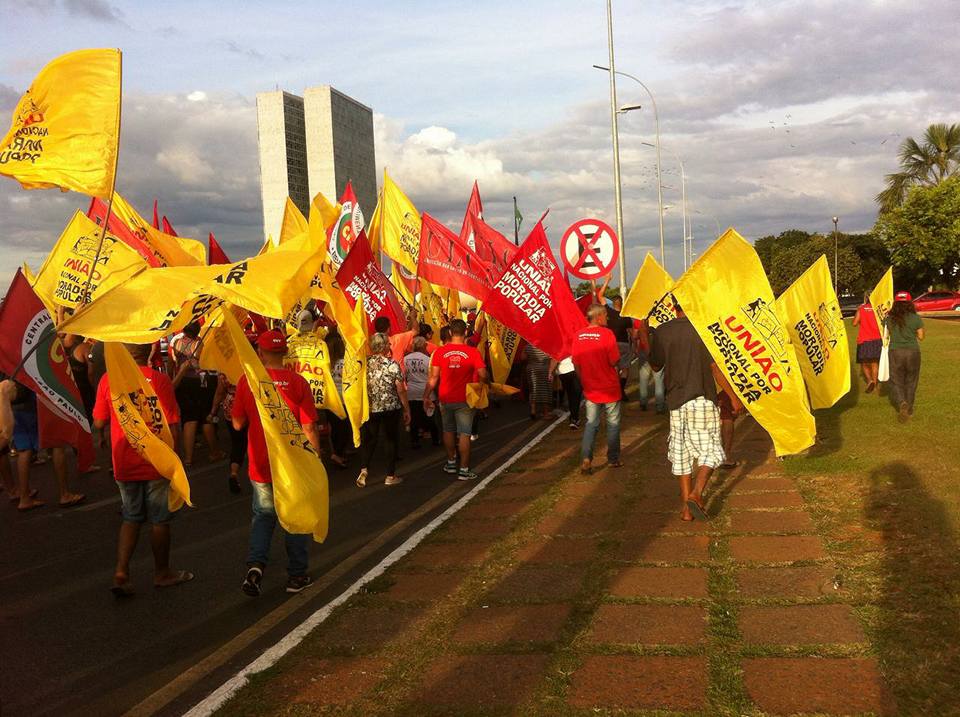
Since 2003 to the present, the National Union for Popular Housing (UNMP) has been carrying out activities related to mobilization, capacity building, advocacy, and the development of proposals for the implementation of popular housing programs that promote the construction of housing through community self-management, with the aim of building organized and active communities.
Through the various initiatives and programs we have undertaken, we have built—or are currently building—homes for approximately 20,000 low-income families experiencing in various Brazilian cities.
Habitat & Human Rights Relevance
This practice is important for guaranteeing the right to housing and to the city, as it empowers groups of families experiencing homelessness to take the lead in building new communities, which become active communities that continue to fight for quality of life in their territories and influence public policy.
HIC Thematic Areas Related to This Practice
How this practice relate to HIC thematic areas?
This practice is directly linked to the thematic area of Social Production of Habitat through the development of alternatives to market-driven housing production, while also relating to the struggle for land, the reduction of gender inequality, and the implementation of sustainable alternatives in the housing developments produced.
Context & approach: what challenge did it address and how?
Brazilian public policies have traditionally produced low-quality social housing and prioritized financing for the private sector. The struggle for community-managed housing production policies challenges this model and seeks to give a voice to low-income communities in the realization of the right to housing. This practice works with local and national governments, as well as with the legislature, to seek regulatory frameworks and public investments. The need for permanent policies, programs, and investments for the success of community management in housing. The importance of developing tools for the collective management of processes. Coordination between advocacy efforts and institutional participation. The need for permanent policies, programs, and investments for the success of community management in housing. The importance of developing tools for the collective management of processes. Coordination between advocacy efforts and institutional participation. 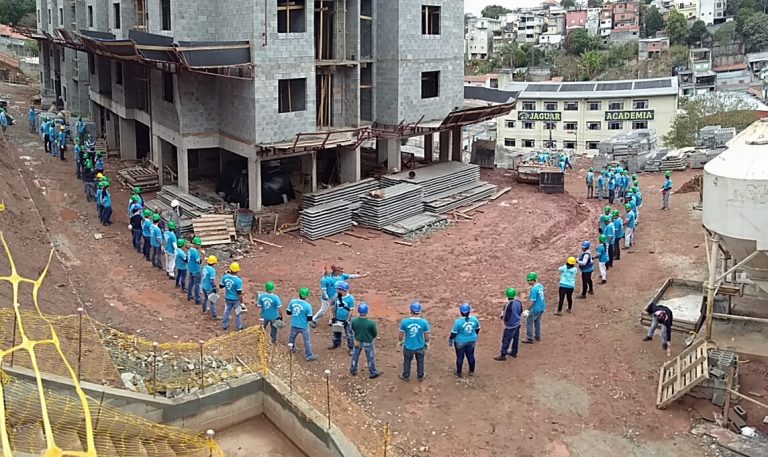
Key Outcomes & lessons Learned
The need for permanent policies, programs, and investments for the success of community management in housing. The importance of developing tools for the collective management of processes. Coordination between advocacy efforts and institutional participation. 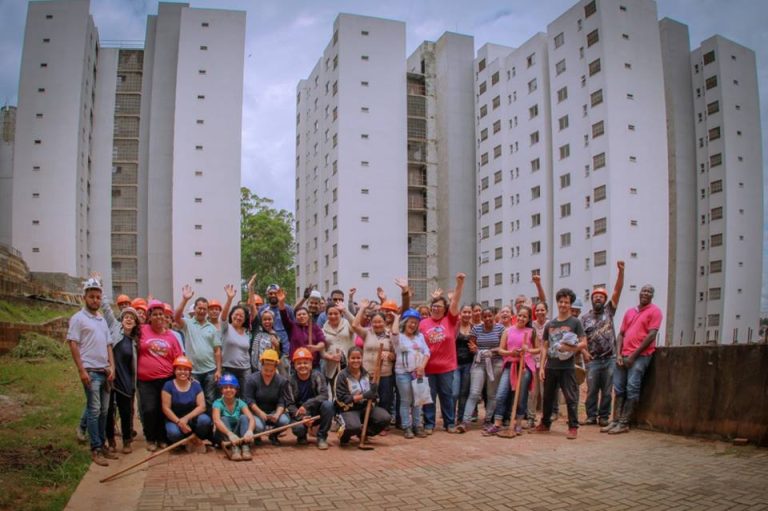
Shared Values & Collective Action Across the Coalition
Connection to HIC Values & History
This practice aligns with HIC’s values by building collective processes, strengthening grassroots leadership, and pursuing the decommodification of housing.
Contribution to Future Habitat Challenges
The practice seeks to promote the notion of housing as a collective social right, in opposition to the commodification of land and housing. It aims to empower local groups to become the central actors in their own territories.
Legacy & Future Vision
In 2021, the UNMP submitted a bill to the National Congress to define the concept of community self-management in housing policies and to regulate collective ownership—something that had not yet been implemented in Brazil. In 2022, it was accepted as a bill; in 2025, it was approved by the Urban Development Committee; it is currently before the Finance Committee.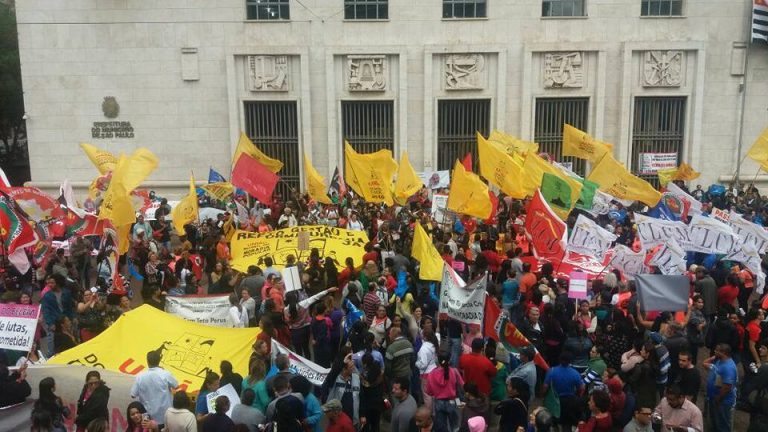
Link to Global Processes
Media & Resources
Testimonial / Quote
Message to Younger Generation
We dare to continue fighting for a world where there is space for everyone; where we can build a good place to live with our own hands; where we overcome sexism and racism; where we can build cities in harmony with nature and our culture. A world where there is room for everyone.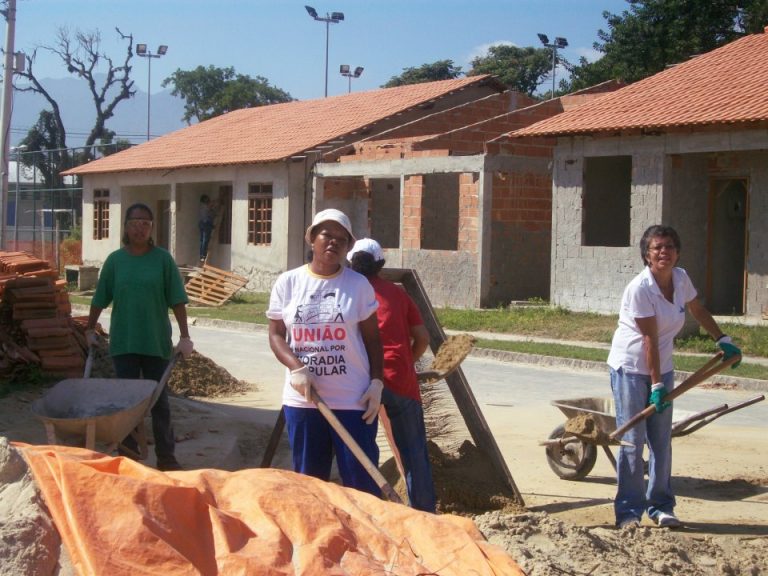
Documents / Videos
Organization Information
Organization Name
Country
Region
Year Founded
Website / Social Media
Photos